

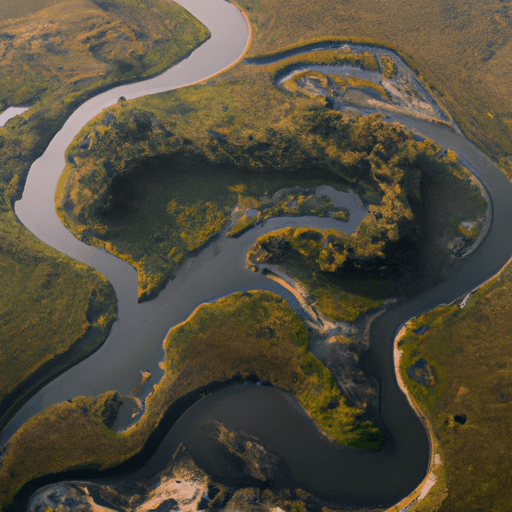
Assam is home to some of India’s most spectacular natural beauty, and its largest national park is no exception. Kaziranga National Park is located in the state of Assam and is one of India’s most important wildlife sanctuaries. This park is home to some of India’s most endangered species, including the one-horned rhinoceros, elephants, tigers, and swamp deer. It is also a haven for birdwatchers, with more than 500 species of birds recorded here.
Assam’s Largest National Park
Kaziranga National Park is located in the state of Assam, in the northeastern part of India. It covers an area of 858 square kilometers and is home to some of India’s most endangered species. It was declared a UNESCO World Heritage Site in 1985 and is one of the most visited national parks in India. The park is divided into four zones, Central, Western, Eastern, and Northern, and each zone has its own unique attractions.
The park is most famous for its one-horned rhinoceros, which is one of the most endangered species in the world. It is estimated that there are around 2,500 one-horned rhinos in the park, making it the largest population in the world. The park is also home to other endangered species such as tigers, elephants, and swamp deer. In addition, the park is a haven for birdwatchers, with more than 500 species of birds recorded here.
Exploring India’s Natural Beauty
Kaziranga National Park is a great place to explore India’s natural beauty. The park is home to a diverse range of flora and fauna, and visitors can take part in a variety of activities such as elephant safaris, jeep safaris, and bird watching. The park is also home to some of India’s most stunning scenery, with its lush green grasslands, dense forests, and winding rivers.
The park is open all year round, but the best time to visit is between November and April when the weather is cooler and the animals are easier to spot. There are a variety of accommodation options in the park, ranging from luxury resorts to budget guesthouses.
Kaziranga National Park is a must-visit destination for anyone looking to explore India’s natural beauty. With its unique wildlife, lush landscapes, and variety of activities, it is a great place to spend a few days and get away from the hustle and bustle of city life.
Assam, situated in the North Eastern part of India, is the home of the one-horned rhinoceros and is renowned for its lush green forests, tea estates, and wildlife. It is also famous for its national parks. Amongst them, the largest national park of Assam — Kaziranga National Park — is a must-see for nature enthusiasts.
Kaziranga National Park is located on the banks of the majestic Brahmaputra River and is spread over an area of 429 square kilometres. The park is known for its large population of one-horned rhinoceroses and the deer, hogs and wild buffalo which inhabit the area. The park also has a number of migratory birds and various species of reptiles!
The Park provides a unique experience for visitors, who can take an elephant safari to explore the exotic wildlife, or go for bird-watching. A boat trip on the Brahmaputra river is another popular activity.
Kaziranga is also a UNESCO world heritage site and a popular destination for tourists from all over the world. It is home to diverse species of mammals, birds and reptiles, along with a rich and varied flora. The presence of the wild elephant makes this park a unique habitat of its own kind.
What makes Kaziranga National Park standout is that it contains some rare species of plants and animals, including the white-rumped vulture and the greater one-horned rhinoceros.
The uninterrupted water flow of the Brahmaputra River plays an important role in the ecology of the park, providing a safe haven for the rhinos and other wildlife species. The park also stretches its boundaries to an adjoining area of 2,837 sq.km in the Karbi Anglong and Nagaon Districts.
Kaziranga National Park, with its rich diversity of flora and fauna, is an ideal destination for nature lovers, wildlife enthusiasts, bird watchers and adventure seekers alike. Its beauty and grandeur always have appealed to millions of tourists and wildlife lovers all over the world, making it a ‘must-visit’ destination in Assam.