

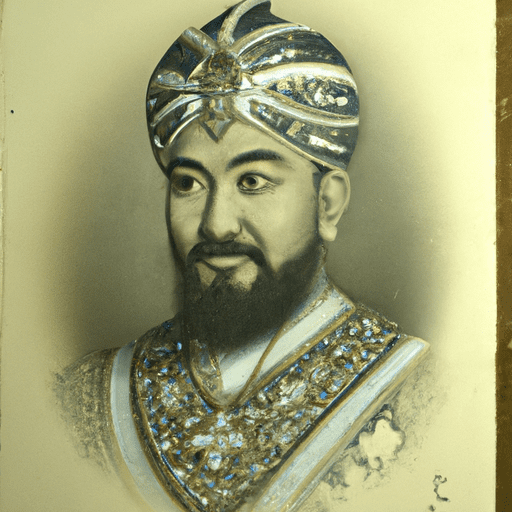
Sultan Ghiyasuddin Balban was a powerful ruler of the Delhi Sultanate in India from 1266 to 1287. He was a successful conqueror and his conquests extended from Bengal in the east to Gujarat in the west. He also controlled the provinces of Assam, Manipur, and Kashmir, which are located in the northern parts of the country. This article will discuss the Sultan’s conquests in these areas and how he managed to maintain control over them.
Sultan Ghiyasuddin Balban’s Conquests
Sultan Ghiyasuddin Balban was a powerful ruler of the Delhi Sultanate in India from 1266 to 1287. He was a successful conqueror and his conquests extended from Bengal in the east to Gujarat in the west. He also controlled the provinces of Assam, Manipur, and Kashmir, which are located in the northern parts of the country. He managed to take control of these areas by launching military campaigns and establishing alliances with local rulers.
Sultan Balban’s conquest of Assam began in 1253 when he defeated the Ahom dynasty and annexed the region. He then proceeded to take control of Manipur in 1285. In Kashmir, he managed to gain control of the region by forming an alliance with the local ruler. He also imposed a number of taxes on the people of Kashmir, which allowed him to maintain his control over the region.
Assam
Sultan Ghiyasuddin Balban’s conquest of Assam began in 1253 when he defeated the Ahom dynasty and annexed the region. He then proceeded to take control of the area by establishing a garrison in the region and imposing heavy taxes on the people. He also introduced a number of reforms, such as the introduction of a common currency and the adoption of Islamic law. These reforms helped to strengthen his control over the region and ensured that it remained loyal to the Delhi Sultanate.
Manipur
Sultan Balban’s conquest of Manipur began in 1285 when he defeated the local rulers and annexed the region. He then imposed a number of taxes on the people of Manipur, which allowed him to maintain his control over the region. He also introduced a number of reforms, such as the adoption of Islamic laws and the introduction of a common currency. These reforms helped to ensure that the region remained loyal to the Delhi Sultanate.
Kashmir
Sultan Balban’s conquest of Kashmir began in 1286 when he formed an alliance with the local ruler. He then imposed
Sultan Ghiyasuddin Balban was a famous ruler of Delhi, who was renowned for his stellar military campaigns and expansion of the Delhi Sultanate. His reign, lasting from 1266 to 1286 AD, saw the Sultanate expand its reach to now-present-day Assam, Manipur, and Kashmir.
During his reign, Sultan Ghiyasuddin Balban cemented his legacy by improving the defenses around Delhi, and reorganizing and strengthening the military of the Sultanate. These policies enabled his massive successes in the regions located to the east of Delhi. Specifically, Assam, Manipur, and Kashmir were all brought under the control of the Delhi Sultanate during Sultan Ghiyasuddin Balban’s rule.
Sultan Ghiyasuddin Balban was highly successful in subduing and regulating these new holdings under his rule. Assam, Manipur, and Kashmir were all central Asian regions that had been historically autonomous, but Sultan Ghiyasuddin Balban was able to effectively integrate them into the Delhi Sultanate’s administrative framework. He also introduced more secure defenses and fortifications to protect these provinces, allowing his rule to remain in place uncontested.
This move by Sultan Ghiyasuddin Balban significantly enlarged the reach and sphere of influence of the Delhi Sultanate. It allowed the Sultanate to become a much more prominent ruler on both political and cultural landscapes throughout central Asia. As a result, the Delhi Sultanate became more powerful and influential than ever before, and its power continued to remain until the fall of its reign.
Overall, Sultan Ghiyasuddin Balban was an incredibly effective ruler and one of the most renowned figures in Delhi’s history. Through his military successes and steady hand on the throne of the Delhi Sultanate, he was able to expand its rule to now-present-day Assam, Manipur, and Kashmir, where his rule allowed for lasting stability and peace.