

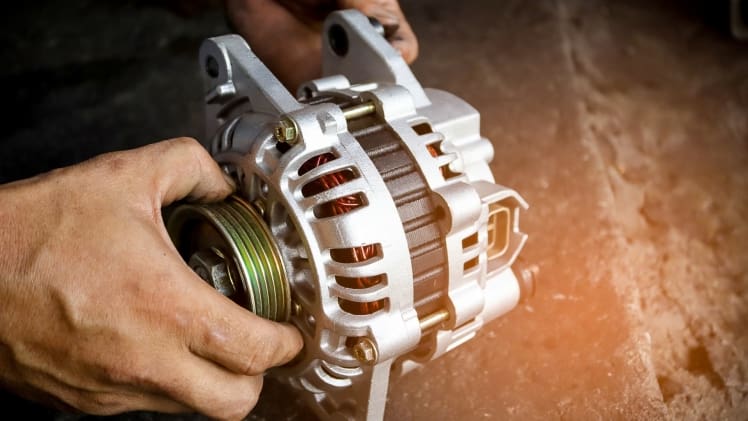
The health and efficiency of your vehicle depend on a variety of components, and the alternator is a primary player in this league. Responsible for charging the battery and supplying extra power to the vehicle’s electrical systems, a failing alternator can lead to a myriad of issues. If you’ve been noticing dimming headlights or a sluggish start, it might be time to check on this vital component. If you’re looking to venture into the DIY realm, replacing an alternator isn’t as daunting as it seems. Here’s a step-by-step guide to help you along.
Diagnosing the Problem: Know When to Consult or Change
Before you jump into replacement mode, it’s essential to ascertain that the alternator is indeed the issue. If you’re not confident in your diagnostic skills, this might be a great time to visit an automotive electrician Marrickville to get a thorough assessment. Once you’re certain, you can move forward with the replacement.
Safety First: Preparing Your Workspace
- Disconnect the Battery: Before starting, ensure the vehicle is off, and disconnect the battery. This is a crucial safety step as it ensures you won’t accidentally shock yourself.
- Gather Your Tools: Typically, you’ll need a set of wrenches, a ratchet and socket set, and gloves.
- Position Your Vehicle: Ensure you have a spacious and well-lit area to work in. This will make the process smoother and more efficient.
Step-by-Step Alternator Replacement
- Locate the Alternator: Your vehicle’s alternator is typically located at the front of the engine. It’s generally mounted on the top section, making it relatively easy to spot. If unsure, your vehicle’s manual will provide guidance.
- Loosen the Belt: The alternator is connected to a drive or serpentine belt. To remove the alternator, you’ll first need to loosen this belt. This can typically be done by loosening the tensioner (a pulley that keeps the belt tight). Once the tensioner is loose, you can easily slide the belt off the alternator pulley.
- Disconnect Wires: There will be a few wires connected to the back of the alternator. Before you remove them, ensure you’ve taken note of where each wire connects, either by marking them or taking a photo. After documenting, you can go ahead and disconnect the wires.
- Remove the Alternator: Now, it’s time to remove the alternator from the mount. Typically, it’s held in place by bolts. Loosen and remove these bolts, and the alternator should come right out.
- Position the New Alternator: Now that you’ve removed the old alternator, it’s time to place the new one. Position it on the mount and secure it with the bolts. Don’t tighten them fully just yet; you’ll want a bit of play to help with repositioning the belt.
- Reconnect the Wires: Using your earlier documentation as a guide, reconnect the wires to the back of the alternator.
- Reattach the Belt: Slide the belt back onto the alternator pulley. Make sure it sits correctly in the grooves. Now, tighten the tensioner until the belt is securely in place and has minimal slack.
- Tighten Everything Up: Now that everything is positioned correctly, go back and tighten up the bolts holding the alternator in place.
- Reconnect the Battery: With everything in place, reconnect the battery.
- Test Your Work: Before declaring victory, start your vehicle to ensure everything’s working smoothly. If your vehicle starts up without a hitch and your lights shine bright, you’ve likely done a job well-done!
Celebrating Your Automotive Achievement
Replacing your vehicle’s alternator might seem like a challenge, but with the right tools and a step-by-step approach, it’s entirely doable. By tackling this task, not only do you save potentially significant amounts in mechanic fees, but you also gain a deeper understanding of your vehicle’s inner workings. So, pat yourself on the back and drive confidently, knowing that your vehicle is powered by your handiwork!
Top of Form