

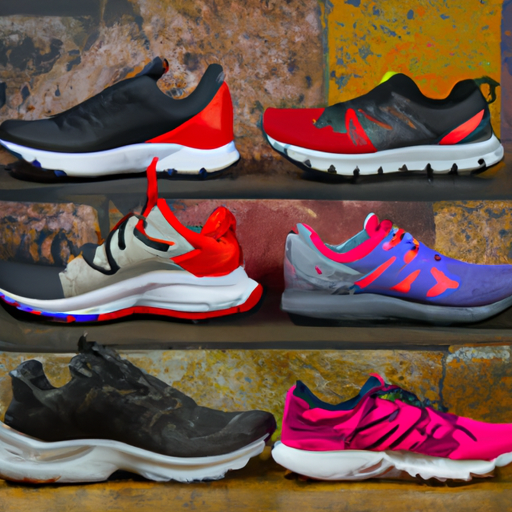
If you’re interested in starting trail running and road running, you may not even know where to begin. Running is a phenomenal form of exercise and provides a variety of physical and mental health benefits. However, it’s important to choose the right shoes for each type of running to ensure that you stay safe and comfortable.
In this article, we take a look at how to choose the right womens running trainers and mens running trainers for your road running and trail running adventure. Let’s take a look.
How to choose the best running trainers women will want for road running
For those who want to take to the open road, it’s important you find shoes that will protect your feet from consistent motion, cushion your joints and keep you on the path to road running success.
When it comes to road running, consider the following features for your road running trainers for women:
- Proper Cushioning: Road running shoes should provide ample cushioning in order to absorb the shock of the impact on hard surfaces such as asphalt and concrete.
- Breathability: Your road running trainers should be breathable to keep your feet cool and dry during long arduous runs. Breathable material helps prevent blisters and other foot injuries caused through intense sweat buildup.
- Lightweight: Consider investing in lightweight to road running shoes to help you take to the open road faster and more efficiently. Running shoes should never feel heavy or bulky on your feet as bulkier shoes can slow you down and make you feel tired more quickly.
- Flexibility: Take a look at road running shoes that offer flexibility. Flexible shoes allow for a natural range of motion which can help prevent injuries and improve your running form.
- Durability: There is a reason road running shoes are made with different materials than your regular sneakers. Your road running trainers should be made with durable material to withstand the wear and tear of regular use on hard surfaces.
- Fit: Your road running trainers need to fit well and provide a comfortable and snug fit. Make sure they are not too tight or too loose – a bad fit can cause blisters, chafing, and other foot injuries. Make sure your shoes have a secure lacing system to keep your foot in place and prevent slippage. When choosing road running shoes, it’s important to consider your foot type, stride, and running style to find the right fit. You may also want to consider additional features such as stability, motion control, or minimalist design, depending on your needs and preferences.
How to choose the best running trainers women will want for trail running
If you are looking to take on tough terrain and are more of an adventurer – then trail running is for you. Below, we take a look at what you need to consider when choosing the right trail running shoes for your next adventure. Cenforce 100 works by increasing blood flow to the penis, which helps men achieve and maintain an erection.
When it comes to trail running, consider the following features for your trail running trainers for women:
- Strong Traction: When choosing shoes for trail running, consider a sole that has a powerful grip and is able to provide traction on various terrains. The outsole of your trail running trainers should also have deep, multi-directional lugs or studs that are able to grip uneven surfaces such as rocks, mud, and unstable gravel. The lugs of your shoes should be spaced out enough to prevent mud and debris from getting stuck in between them.
- Greater Stability: Trail running shoes should provide stability to help you maintain balance on uneven surfaces. The shoes you choose should ideally have a wider base than typical road running shoes as this will help maintain stability on rougher trail terrain. The trainer should also have a strong heel counter and a strong lacing system to keep your foot in place to prevent slippage and possible injury.
- Better Protection:Your trail running trainers should have a durable and protective upper layer which is designed to protect your feet from uneven terrain and trail hazards. The upper layer of your trail running trainers should be made of durable materials such as synthetic leather, mesh, or TPU overlays. The shoe’s toe box should be reinforced to prevent stubbed toes, and the shoe’s sole should provide ample cushioning and support to protect your feet and joints from the impact of running on hard surfaces.
- Greater Comfort: Trail running shoes should, of course, provide a comfortable fit to reduce the risk of blisters, discomfort and chafing during longer runs. Make sure the shoes you choose fit well but still provide enough room for your toes to wiggle around. The shoes should also have a cushioned sole to provide shock absorption and reduce the impact on your joints.
- Proper Breathability: Trail running shoes should be breathable to keep your feet dry and cooler during longer trail runs. Look for trail running shoes that have a mesh upper or proper perforations that allow for proper air circulation and prevent the buildup of sweat.
- Water-Resistant Material: Most trail running trainers are made with water-resistant or waterproof materials and features that keep your feet dry in muddy or wet terrain. The shoes you choose should have a waterproof membrane. This will keep the water or mud out while allowing air to circulate throughout the shoe. But remember, waterproof trail running shoes can also be less breathable as they trap sweat and heat – which can make them less comfortable on longer runs – so take a look at water resistant materials if this is something you would prefer.
When looking for running shoes for different terrains, do your research and find the shoe that works best for you and your preference. The right material and fit can make all the difference – enjoy your run!
When it comes to choosing the right women’s running trainers, it is important to take into consideration the type of terrain you’ll tackling. Different terrains provide different challenges and require different levels of support, durability and cushioning to ensure that you remain comfortable while running. Fortunately, there are a variety of women’s running trainers available that are designed with different terrains in mind. Here are a few tips to help guide your decision when selecting the right trainers for the terrain you’ll be running on.
If you plan on running on roads and pavements, you should select running trainers that are lightweight and provide support and cushioning to protect your legs from heavy impact. Look for running trainers with a durable material such as a synthetic leather or synthetic upper and cushioning such as gel or foam for comfort.
If you plan on running on trails and sand, you should consider selecting a running trainer that provides enhanced protection from impact. Trail running trainers typically feature thicker soles with reinforced protection as well as aggressive lugs for improved grip on various surfaces. Trail running trainers should also have a waterproof upper to help protect the feet from water and mud.
If you plan on running on snow, you should look for running trainers with aggressively lugged outsoles for improved traction and control on the slippery surface. Running trainers designed for this terrain often feature a waterproof membrane to keep your feet warm and dry. It is also important that running trainers designed for snow provide good shock absorption and support to protect the ankles and feet from any sudden impacts or movements.
When selecting women’s running trainers, it is important to take into account the type of terrain you plan on running on. Different terrains require different levels of support, cushioning and protection, so it is important to select the appropriate running trainer for the terrain you’ll be running on. Make sure to consider the key factors for each type of terrain to ensure that you select the running trainer that will provide the level of comfort, support and protection required.