

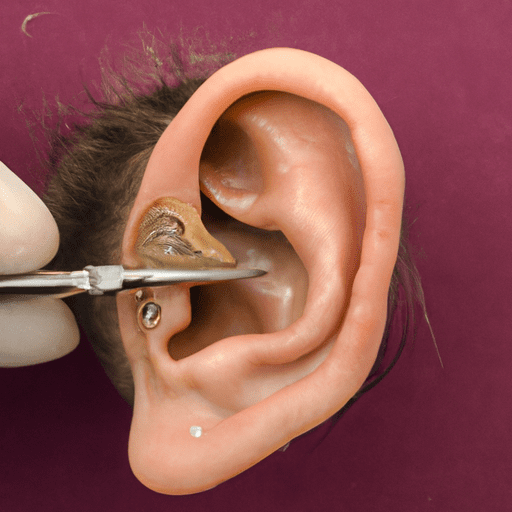
Tympanoplasty is a surgical procedure that is used to repair a perforated eardrum. The procedure involves grafting tissue onto the eardrum to close the perforation and restore hearing. Read this article to know about Tympanoplasty and Tympanoplasty Cost in India.
Tympanoplasty: Reasons for the Procedure
A perforated eardrum can occur as a result of trauma, infection, or chronic middle ear disease. Symptoms of a perforated eardrum may include hearing loss, ear pain, ear drainage, and tinnitus.
Tympanoplasty is performed to repair the perforation and restore hearing. In some cases, additional procedures may be performed at the same time, such as ossiculoplasty to repair damage to the bones of the middle ear.
Tympanoplasty: Procedure and Recovery
During a tympanoplasty procedure, the surgeon will make an incision behind the ear and remove a small piece of tissue from the patient’s own body, such as cartilage or fascia. This tissue will be used to graft onto the eardrum to close the perforation. The procedure typically takes 1-2 hours.
After the procedure, the patient may experience some pain and discomfort, as well as temporary hearing loss. The ear will be packed with gauze to help with healing. Most patients are able to go home the same day as the procedure, but will need to take some time off from work or school to recover.
Tympanoplasty: Risks and Complications
Like any surgical procedure, tympanoplasty comes with risks and potential complications. These may include bleeding, infection, hearing loss, tinnitus, and recurrence of the perforation.
It’s important for patients to follow their surgeon’s instructions for aftercare and recovery in order to minimize the risk of complications.
How Tympanoplasty Works
During the procedure, the surgeon will make a small incision behind the ear and lift the skin to access the eardrum. They will then remove any scar tissue or debris from the perforation and place a graft over the hole to seal it. The graft can be made from a variety of materials, including tissue from the patient’s own body or synthetic materials.
After the graft is in place, the surgeon will pack the ear with a sterile dressing and close the incision with stitches. The patient will typically be able to go home the same day as the surgery.
Types of Tympanoplasty
There are several different types of tympanoplasty, depending on the size and location of the perforation, as well as the condition of the surrounding tissues. These include:
- Type I: This is the most common type of tympanoplasty, and is used to repair small perforations in the eardrum.
- Type II: This procedure is used to repair larger perforations that involve the eardrum and the small bones of the middle ear.
- Type III: This is used for perforations that are located in the part of the eardrum closest to the ear canal.
- Type IV: This is the most complex type of tympanoplasty, and is used for large perforations that involve both the eardrum and the bones of the middle ear.
Risks and Complications
Like any surgical procedure, tympanoplasty comes with some risks and potential complications. These may include:
- Infection
- Bleeding
- Hearing loss
- Tinnitus (ringing in the ears)
- Dizziness or vertigo
- Facial nerve damage
- Graft failure or rejection
It is important to discuss the potential risks with your doctor before deciding to undergo the procedure.
Recovery and Follow-Up Care
After the surgery, the patient will need to keep the ear dry for several weeks to allow the graft to heal properly. They may also need to take antibiotics or use ear drops to prevent infection.
The patient will typically have a follow-up appointment with their surgeon a few weeks after the surgery to check on the healing process and remove any packing or stitches. They may also need to have hearing tests to determine if the surgery was successful in restoring their hearing.
Conclusion
Tympanoplasty is one of the best methods available for a perforated eardrum and improving hearing. While there are some risks associated with the surgery, most patients experience successful outcomes and are able to return to their normal activities within a few weeks.
If you are experiencing symptoms of a perforated eardrum, such as hearing loss, pain, or discharge, it is important to seek medical attention from an experienced ENT specialist. They can evaluate your condition and determine if tympanoplasty or another treatment option is the best course of action for your needs.
With the right care and follow-up, tympanoplasty can help restore your hearing and improve your quality of life. If you have any questions or concerns about the procedure, be sure to discuss them with your doctor before making any decisions.
Tympanoplasty is a surgical procedure used to repair damaged sections of the ear’s eardrum and bones of hearing. The surgery consists in reconstructing a new eardrum and bones of hearing, and restoring hearing and equilibrium functions. It is normally used for the treatment of eardrum perforations, ear infections, and otosclerosis, among other conditions.
The tympanoplasty operation is usually conducted under general anesthesia, meaning the patient does not feel any pain during the procedure. The ear is opened with a small incision behind the ear, so that the surgeon can access the area of the eardrum that needs repair. The damaged area of the eardrum is removed, the bone of hearing or the ossicles are replaced, and a small tissue graft is used to patch the eardrum.
After the procedure, the patient will typically experience some pain, hearing loss, and balance issues unrelated to the operation. Pain is normally managed with Simple analgesics like ibuprofen or acetaminophen and patients may need to temporarily use a hearing aid to help with any hearing loss that may persist after surgery. The patient’s balance may also be affected, but it will generally improve over time.
The success rate for tympanoplasty is generally quite good, and the majority of patients experience improved hearing, though it is not possible to fully restore hearing in all cases. Patients who experience persistent problems after the surgery may require further treatment, such as a stapedectomy, to improve their hearing.
Tympanoplasty is a effective and generally safe procedure, but as with any surgery, there are potential complications, such as infection and hearing loss. In addition, not all individuals are suitable for the procedure, for example, if the damage to the eardrum is too extensive, then the patient may not benefit from the surgery.
Overall, tympanoplasty is a successful procedure for many individuals, and can offer the prospect of improved hearing and equilibrium functions. With the right diagnosis and treatment plan, the majority of patients can expect to experience improved quality of life following this operation.