

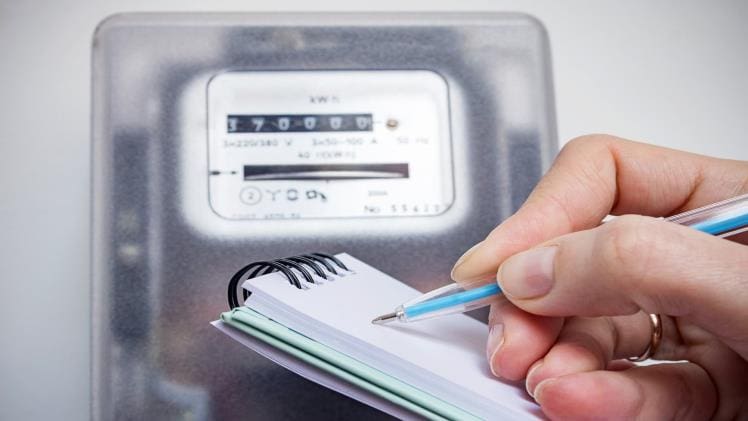
Inverter technology is a popular choice for today’s households, as it helps to save energy and optimize power consumption. But the question remains: Does using an inverter really increase electricity bill?
Inverter Technology
Inverters are used to convert direct current (DC) power into alternating current (AC) power, which is the standard for most electrical appliances. Inverters are used in solar systems, as well as in power backups. Inverters are designed to be efficient and reliable, and they are designed to provide continuous power even when the main power supply fails.
Inverters are important for households as they provide reliable and efficient power to appliances, which helps to reduce energy consumption. Additionally, inverters are designed to be safe and reliable, which helps to protect the appliance from damage and wear and tear.
Impact on Electricity Bill
The impact of an inverter on electricity bills depends on the type of inverter being used. Inverters that are designed to be energy efficient can reduce energy consumption, which can lead to lower electricity bills. Additionally, inverters that are designed to provide reliable power can help to reduce the amount of energy being wasted.
However, it is important to note that while using an inverter can reduce energy consumption and optimize power, it can also increase energy consumption. This is because some inverters use more energy than necessary to convert DC power into AC power. Additionally, some inverters are not designed to be energy efficient, so they may use more energy than necessary.
Overall, the impact of an inverter on electricity bills depends on the type of inverter being used. While some inverters are designed to be energy efficient and can lead to lower electricity bills, others may not be as efficient and could lead to higher bills. It is important to research the type of inverter being used and to ensure that it is designed to be energy efficient in order to minimize the impact on electricity bills.