

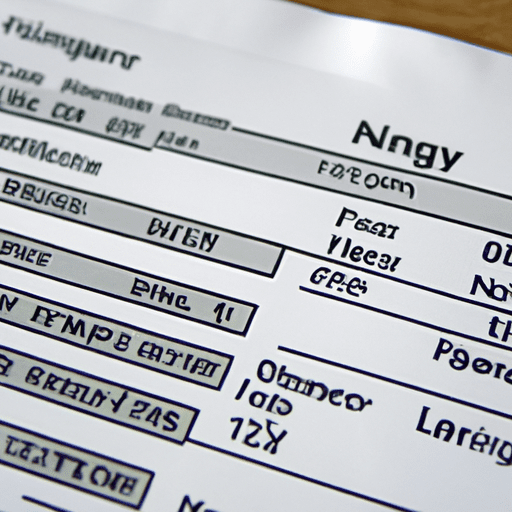
Energy charge is an important component of electric bills. It is a charge that customers pay for the electricity they use. It is based on the amount of energy consumed in kilowatt-hours (kWh) during a billing period. Understanding energy charge can help customers make informed decisions about their energy use and budget accordingly.
What is Energy Charge?
Energy charge is the cost of electricity used during the billing period. It is based on the amount of energy consumed in kilowatt-hours (kWh). The rate per kWh is provided by the utility company and is typically based on the customer’s rate plan. The energy charge is usually the largest component of an electric bill.
How is Energy Charge Calculated?
The energy charge is calculated by multiplying the customer’s rate per kWh by the total number of kWh used during the billing period. For example, if a customer’s rate per kWh is $0.10 and they used 500 kWh during the billing period, their energy charge would be $50 (500 kWh x $0.10/kWh).
Energy charge is an important component of electric bills and understanding it can help customers make informed decisions about their energy use and budget accordingly. By understanding how energy charge is calculated and monitoring their energy use, customers can save money on their electric bills.
An electricity bill is typically a monthly statement you receive that outlines your electricity use and the associated costs, including any taxes, fees and energy charges. Understanding the different types of charges included in an electricity bill can help you better manage and budget for your electricity use.
Energy charges are one of the largest components of an electricity bill and can account for up to 70 percent of the total cost. Energy charges are variable costs based on the amount of electricity you use, and can vary from month to month depending on the amount of electricity you use.
Energy charges are calculated by multiplying the cost per energy unit, which is measured in kilowatthours (kWh), by the number of kWh used. These energy costs appear on electricity bills as either fixed charges per kWh or variable charges per kWh. Fixed rate energy charges are the same dollar amount for each kWh you use whereas variable rates change from month to month, depending on season and electricity demand.
Regardless of whether an energy charge is fixed or variable, you may be able to reduce your energy charge costs and lower your electricity bill by taking steps to conserve energy in your home. Investing in energy efficient appliances, installing energy efficient lighting and air-conditioning, and using advanced thermostat settings are all good ways to reduce energy use and save money.
Understanding the energy charge in your electricity bill is important to budgeting for your electricity use and reducing your associated costs. Taking steps to conserve energy can help reduce the size of your energy charge and lower your electricity bill.