

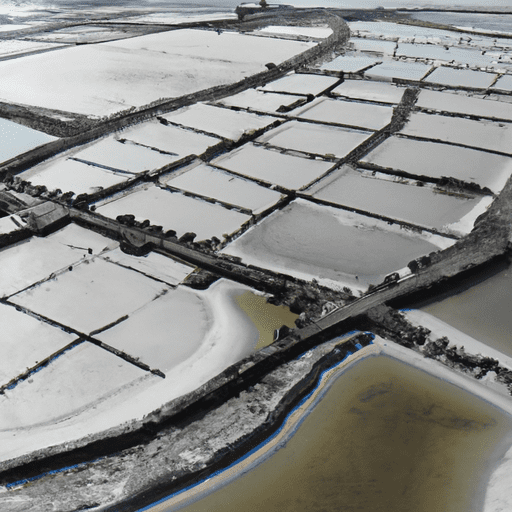
Assam is a state in northeastern India, known for its rich cultural heritage and natural beauty. It is also known for its traditional methods of salt production. While modern methods of salt production have taken over, traditional methods of salt production are still in use in some parts of Assam. In this article, we will explore the traditional methods of salt production in Assam and how it has evolved over time.
Salt Production in Assam
Salt has been an essential part of life for centuries, and in Assam, salt has been produced for centuries. The traditional method of producing salt in Assam is called ‘shonar shonai’. In this method, salt is extracted from salinated water by evaporation. The process starts with collecting salinated water from rivers, streams and shallow ponds. The collected water is then boiled in large clay vessels over a fire. As the water evaporates, the salt crystals are left behind. The salt is then collected and dried in the sun.
The traditional method of producing salt in Assam is still being practiced in some areas of the state, although it is gradually being replaced by modern methods of salt production.
Ancient Salt Production Methods
In ancient times, salt was produced in Assam by boiling salinated water in large clay vessels. This method was used by the Ahoms, who were the rulers of Assam from 1228 to 1826. The Ahoms used to extract salt from the waters of the Brahmaputra river and its tributaries. The salt was then used for cooking, preserving food and for medicinal purposes.
The traditional method of producing salt in Assam is still being practiced in some areas of the state, although it is gradually being replaced by modern methods of salt production. The traditional method is still preferred in some areas, as it is a more sustainable and eco-friendly way of producing salt.
Salt is an essential part of life, and in Assam, salt has been produced for centuries. While modern methods of salt production have taken over, traditional methods of salt production are still in use in some parts of Assam. This article has explored the traditional methods of salt production in Assam and how it has evolved over time.
Salt production in Assam, India has been a part of the local economy since time immemorial. Salt-making in the region began during the 4th century BC, making it one of the oldest centers of salt production in the world. Given its unique geographical position in the northeast of India, the state of Assam has significant access to brackish waters and beds of natural salt.
In the early 17th century, it is believed that the East India Company built the first permanent salt farm in the region near the town of Sonari, located in the Maguri wetlands of Upper Assam. This facility was used to produce what is called “sonari salt” or “white salt.” Over the next 200 years, salt production in Assam slowly increased, and in the 19th century, large-scale production took place in Assam through the use of hand pans and temporary salt fields.
Salt production in Assam also shifted to the town of Shivasagar in the late 19th century after a large saltworks was established by the British Raj. This saltworks processed the brackish waters from the Puthimari River, and the facility employed hundreds of local salt-makers who used the traditional method of boiling brackish water to evaporate the evaporates and extract salt. By 1909, Shivasagar salt works had grown to become one of the largest salt-making facilities in India.
In the 20th century, salt production in Assam saw significant developmental changes with the introduction of more sophisticated techniques, such as vacuum evaporation and solar drying. In the 21st century, the state has embraced technologies such as subsurface evaporation, solar ponds, and desalination plants to further optimize salt production in the region.
Salt production in Assam remains an important source of income for many households across the state and plays a major role in the state’s economy. It is estimated that the salt industry in Assam generates up to Rs.89 million annually. Assam’s salt is not only sold domestically, but is also exported globally to countries such as the United States, Japan, and the United Kingdom.
Today, salt production in Assam has become an integral part of the state’s economy and it shows no signs of slowing down. Assam remains one of the most productive salt-producing regions in India, and its salt production methods, practices, and infrastructure continue to be admired globally.