

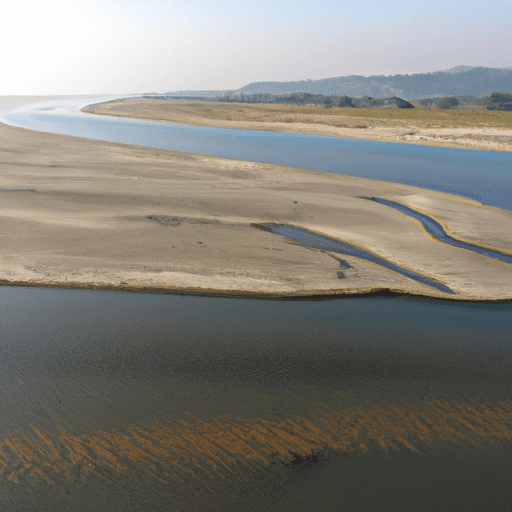
The mighty Brahmaputra is one of the most iconic rivers in India and a major source of water for the people of Assam. It runs through the state for a considerable distance and is a vital part of the state’s ecology and economy. In this article, we take a look at how long the Brahmaputra is in Assam.
Length of Brahmaputra in Assam
The Brahmaputra river is one of the longest rivers in India and has a length of 2,900 km. It originates in the Tibetan Plateau and flows through India, Bangladesh and China before finally draining into the Bay of Bengal. In Assam, the Brahmaputra is 891 km long, making it the longest river in the state.
Measuring the Mighty River
Measuring the length of the Brahmaputra is a complex task. The river’s length in Assam is measured using a combination of satellite imagery and ground measurements. Specialized equipment is used to measure the width of the river and its flow rate, which is then used to calculate the length of the river.
The Brahmaputra is an important source of water for the people of Assam and is used for irrigation and drinking water. It is also a major source of hydroelectric power, providing electricity to millions of people in the state.
The Brahmaputra is an important part of the ecology and economy of Assam and is one of the longest rivers in India. Measuring its length in Assam is a complex task, but it is an important part of understanding the river and its importance to the people of the state.
The Brahmaputra is one of the largest rivers in India and runs through the state of Assam. Measuring 891 kilometers in length, this river has a major impact on the economy and environment of Assam.
The Brahmaputra, which originates in the Angsi glacier in Tibet and the Chemayungdung Glacier of Bhutan, flows across the Chinese plateau, enters India and flows through the entire length of the state of Assam. It then enters Bangladesh and meets the Ganges, before joining the Bay of Bengal.
The importance of the Brahmaputra in Assam lies in the fact that this river passes through several important cities in the state, including Guwahati, Tezpur, Jorhat and Dibrugarh. These cities are hubs of economic and social activities in the region. The river also serves as an important source of irrigation for the crops grown in the state.
In addition, the Brahmaputra plays a major role in the ecology of Assam. The river is the largest source of freshwater in the state and many species such as the Gangetic dolphin, Gharial and the Irrawaddy dolphins depend of this river for their habitat.
Apart from its importance in Assam, the Brahmaputra is also an important factor in international relations. China and India have been involved in negotiations for the water-sharing of this river for several years. The Indian government also plans to build a dam on the river to provide electricity and drinking water to the citizens of Assam.
While the Brahmaputra plays a major role in the prosperity of Assam, it is also a source of destruction. The fast-flowing nature of this river is the cause of flooding in the state during the monsoon season.
The Brahmaputra is truly an essential part of Assam and its 891-kilometer length has been a source of both prosperity and destruction.