

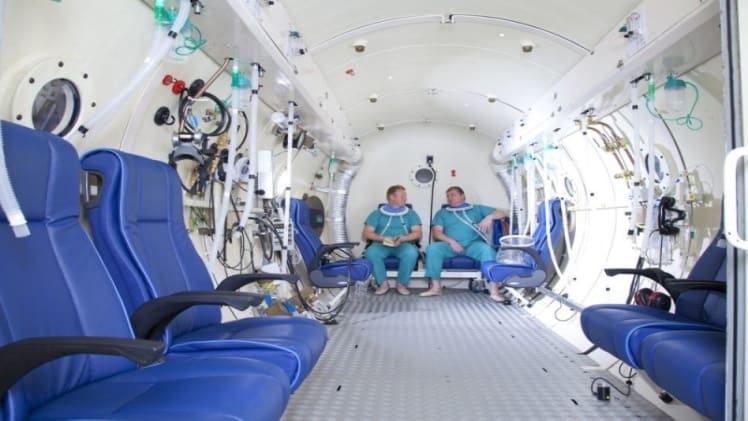
Hyperbaric oxygen therapy is a well-known treatment for scuba and deep sea divers affected by the high change in pressure. But do you know that HBOT is currently used to treat various health problems? Including carbon monoxide poisoning too?
If you’re considering using an HBOT device for yourself or someone else, note that some claims of its positive effects are unproven. For instance, HBOT devices aren’t proven to cure Lyme disease, cancer, autism, or Alzheimer’s. FDA advises you to consult your health care provider before going in for HBOT. This ensures you are going for the right care and working with the right providers.
When your healthcare provider gives a head-on for HBOT, the FDA recommends you go for a hospital or facility that has been carefully inspected, deemed fit, and properly accredited by the undersea and hyperbaric medical society.
THE ROLE OF HBOT Therapy
Our body system needs enough oxygen to carry out its operations. Atmospheric air consist of Oxygen at 21%. Hyperbaric oxygen therapy involves taking in pure oxygen in a specialized chamber. Pressure contained in the chamber is increased to a stage higher than the normal atmospheric pressure. A boost in the air pressure in the chamber enables the lungs to accumulate much oxygen.
Allowing oxygen in a large amount to various tissues that are in need of it will assist the body in healing and combating certain infections. Mind you, excess oxygen can result in severe damage to our system. The U.S. food and drug administration is responsible for regulating the level of oxygen Hbot chambers. The Hyperbaric chambers is basically a large tube wide enough to accommodate a single person or a large room that can hold-up multiple users.
CONDITIONS FOR CLEARING HYPERBARIC CHAMBERS BY FDA FOR MARKETING?
The main idea behind FDA’s authorization of a device is to ensure that the machine is considered safe for use. FDA, in July 2021, cleared various hyperbaric chambers for health issues including:
- Anemia (chronic anemia where blood transfusions aren’t an option)
- Gas bubbles present in the blood vessels
- Crush injuries
- Hearing loss
- Gas gangrene
- Radiation injury
- Vision loss
- Non-healing wounds
- Skin graft flap
Hyperbaric oxygen therapy is still undergoing various tests and studies for various conditions, Covid-19 included. But currently, the FDA hasn’t approved the use of an HBOT device as a COVID-19 treatment or any other disorder other than the one listed above.
WHAT ARE THE POSSIBLE RISKS LINKED TO HYPERBARIC OXYGEN THERAPY?
Carrying out this form of therapy for disorders or conditions approved by FDA is considered safe, and the probability of complications is slim. However, due to the high intake and concentration of oxygen during Bbot therapy, potential risks include; lung collapse, temporally vision defect, ear, sinus pains, and injuries in the middle ear.
In addition, the high concentration of oxygen in the hyperbaric chamber also increases the probability of a fire outbreak; this is the main reason only the FDA advised the treatment should occur only at facilities with full accreditation. These have been the cause of explosions and fire outbreaks in HBOT facilities placed at unaccredited structures.
OXYHELP HYPERBARIC CHAMBER
Are you looking for the best hyperbaric chamber for use today? OXYHELP hyperbaric chambers are what you need. Hyperbaric oxygen non-medical chambers made mainly for home use and spa and wellness centers. Designed in European by highly trained and specialized engineers, these chamber has been tested and trusted.
OXYHELP MONOPLACE
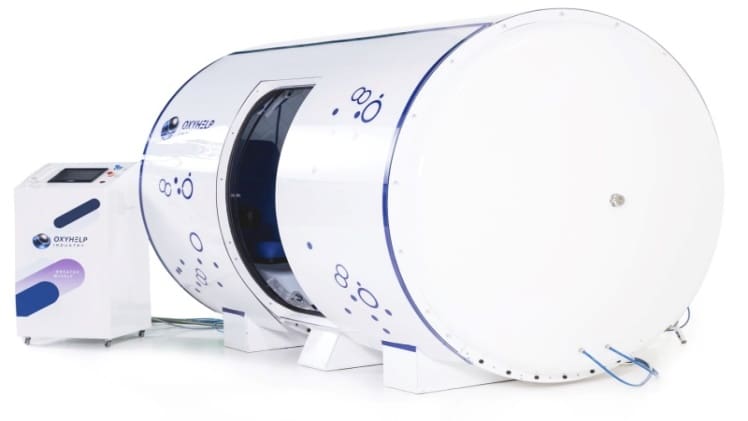
With the Monoplace hyperbaric chamber, you’ll get all you desire from an HBOT session. This chamber user air-filled system with oxygen delivered via BIBs masks. No oxygen cylinders are required, and they can also carry out automatic depressurization when there is a power failure. This is by far the best hyperbaric chamber for home use.
OXYHELP MULTIPLACE
This is a hyperbaric chamber made suitable for more than one user. It is said to be the only Multiplace chamber that can sit smoothly through a standard doorway. This is the perfect hyperbaric chamber for spa centers, as well as saloons and other commercial uses. When said to be non-approved by FDA, it doesn’t necessarily mean they don’t carry out their functions. They perfectly deliver, but they still need to be approved by the FDA.
FINAL WORDS
Hyperbaric oxygen therapy may benefit other conditions that the FDA hasn’t approved. Note that treatment for these conditions are generally not having any insurance coverage and aren’t available at hospital-based hyperbaric centers. You can choose to purchase a hyperbaric chamber today, but you’re advised to consult your health specialist before making any crucial decision.
However, when checking for the best, OXYHELP hyperbaric chambers stands as the top choice. So, why not give it a go today and enjoy all the amazing effects it has to offer.
The use of Hyperbaric Oxygen Therapy (HBOT) has been a subject of public interest in recent years as its proponents argue that its beneficial effects are proven in certain medical conditions and its detractors argue that there is still limited scientific evidence for such medical applications. This article will provide a discussion of the current regulatory status of HBOT, including whether or not it has been approved by the US Food and Drug Administration (FDA).
The FDA is the government agency responsible for regulating medical devices, drugs, and other health-related products in the United States. While the FDA does not currently approve HBOT for medical use, it does monitor the safety and efficacy of HBOT treatments and has set guidelines for healthcare providers to follow when using the therapy.
Recently, the FDA has taken an additional step to regulate HBOT, issuing a “Guidance for Industry” document that provides doctors and other healthcare providers with important information on the use of HBOT. This document outlines the FDA’s general scientific principles and criteria for approving medical products, and it also provides guidance on the specific requirements for HBOT treatments.
The FDA has also taken the additional step of creating a “Medical Device Safety Action Plan” that outlines how the agency intends to evaluate, monitor, and regulate the safety and performance of medical devices. This includes providing information on the risks and benefits of HBOT treatments, as well as establishing rules and regulations on the proper use of the therapy.
While HBOT has yet to receive full FDA approval, the agency has taken steps to ensure its safe and effective use. Furthermore, the FDA’s guidance documents provide healthcare providers with important information about the therapy and its potential risks and benefits. Ultimately, it is up to healthcare providers to use their best judgment when utilizing HBOT as part of a patient’s treatment plan.