

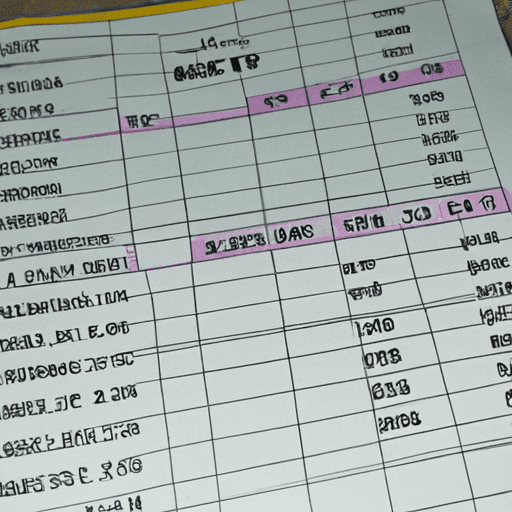
Non-energy charges are costs that are associated with your electricity bill but are not related to the energy that you consume. These charges are typically fixed and can vary depending on your location and the electricity provider you choose. Understanding what these charges are and why they are included in your bill can help you make more informed decisions about your energy use and provider selection.
Overview of Non-Energy Charges in Electricity Bills
Non-energy charges are fees that are associated with your electricity bill but are not related to the energy that you consume. These charges may include taxes, fees, and other costs that are not directly related to the electricity you use. Non-energy charges are typically fixed and are not based on the amount of energy you consume.
Non-energy charges are typically divided into two categories: regulatory and non-regulatory. Regulatory charges are fees that are regulated by the government and are used to fund public services, such as infrastructure maintenance and development. Non-regulatory charges are fees that the electricity provider charges in order to cover its costs of providing services to you.
Details of Non-Energy Charges in Electricity Bills
Non-energy charges can vary depending on your location and the electricity provider you choose. Common non-energy charges include:
-
Regulatory Charges: These are government-regulated fees that are used to fund public services and infrastructure projects. They may include taxes, franchise fees, and assessments.
-
Delivery Charges: These are fees that are used to cover the costs of delivering electricity to your home. They may include transmission and distribution costs, meter reading fees, and administrative costs.
-
Service Charges: These are fees that are charged by the electricity provider to cover their costs of providing services to you. They may include customer service fees, billing fees, and other administrative costs.
-
Demand Charges: These are fees that are based on the peak demand for electricity that you use during a certain time period. They are typically charged to commercial customers who have high energy usage.
-
Optional Services: These are services that are offered by the electricity provider, such as renewable energy programs or energy efficiency programs. They may include installation fees, maintenance fees, and other costs.
Non-energy charges are an important part of your electricity bill and can have a significant impact on your overall energy costs. Understanding what these charges are and why they are included in your bill can help you make more informed decisions about your energy use and provider selection.
“Non Energy Charges in Electricity Bill in Hindi” are charges related to them used by the electricity distribution companies to fulfil their other essential services like operation maintenance, etc. Non Energy Charges are calculated as a percentage of the total electricity consumed. They are development surcharge, metering and service charges, wheeling charges and other ancillary charges.
Development surcharge is a charge which is used to cover any upfront investment made by the power company in infrastructure building or to cover any costs associated with research and development. This charge varies from state to state.
Metering and service charges are charged for the usage of meter, for billing and for the collection of monthly bill. The amount of charges vary from one place to another.
Wheeling charges are the charges charged from the users of electricity by the electricity distribution companies, who transmit electricity from one place to another. These charges are usually charged to the end-users who are located at a distance from the electricity source.
Other ancillary charges, such as processing and transmission charges and reactive power charges, etc. are also included in Non Energy Charges.
In conclusion, Non Energy Charges are charges related to the power delivery system, including metering, wheeling and other ancillary charges, which are generally calculated as a percentage of the total electricity consumed and vary from one state to another.