

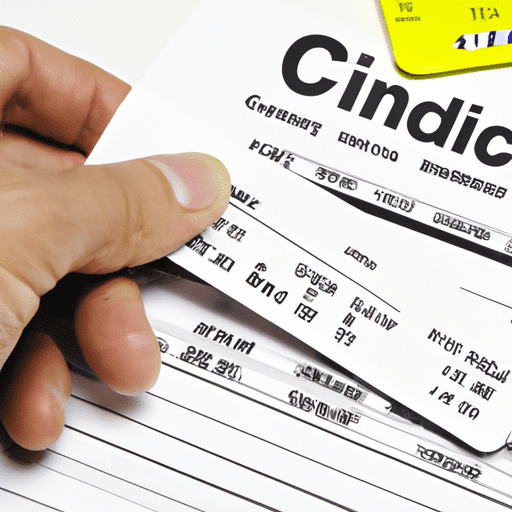
Understanding and monitoring your credit card bill is important for managing your finances and avoiding debts. This article will explain the steps you need to take to check your credit card bill and make sure you stay on top of your finances.
Understanding Your Credit Card Bill
Your credit card bill contains important information about your account, including the amount owed, the due date, and any fees or charges that have been applied. It is important to understand the information on your bill so you can make sure you are making the necessary payments and staying on top of your finances.
Your bill will typically include the following information:
- The total amount owed
- The due date
- The minimum payment amount
- Interest rate
- Fees and charges
- Transaction history
It is important to read your bill carefully and make sure you understand all the information it contains.
Checking Your Credit Card Balance
Once you have reviewed your credit card bill, you can check your credit card balance to make sure it is up to date. You can do this easily by logging into your account online or by contacting your credit card company.
It is important to check your balance regularly to make sure you are making the necessary payments and staying within your credit limit. This will help you to avoid getting into debt and maintain a good credit rating.
By understanding your credit card bill and regularly checking your balance, you can make sure you stay on top of your finances and avoid getting into debt. This will help you to maintain a good credit rating and ensure your financial stability.
Paying credit card bills can be a source of stress, with seemingly endless transactions and numerous payment methods. Checking credit card bills may help to ease the anxiety that often comes with managing credit and may even prevent costly mistakes.
The first step to checking a credit card bill is to review both the statement of charges and the itemized list of purchases. The statement of charges should include charges from the past billing cycle, such as interest and fees. The itemized list should break down each purchase, including credit purchases, automatic payments and ATM charges. Closely inspecting the list of purchases can help to ensure that any mistakes can be caught and corrected.
It is important to look for any discrepancies between the statement of charges and the itemized list of purchases. If there are charges that do not match the itemized list, it is possible that the card has been fraudulently used. Contacting the credit card company immediately can help to minimize any losses due to fraudulent activity.
Another important part of checking credit card bills is to make sure payments are being applied to the correct accounts. Credit cards often have multiple interest rates and different payment plans, so checking the details will help to ensure that payments are applied to the right account and are applied in the correct amount.
Finally, it is important to pay the bill in full and on time in order to maintain the best credit score possible. Making the payments on time and in full will also minimize the amount of interest paid each month, as well as giving access to additional rewards and benefits.
Checking credit card bills can be a daunting task, but taking the time to closely review charges, fees and payments can save money and prevent complications in the future.