
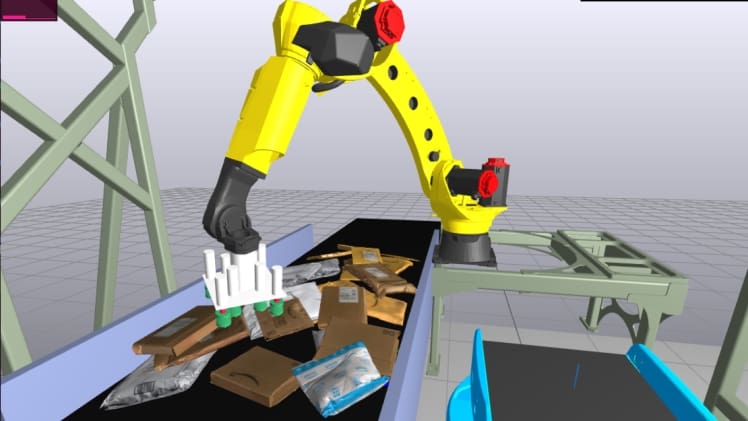
Robots are being used in a variety of industries, from manufacturing and agriculture to healthcare and logistics. In manufacturing, robots are being used for tasks such as welding, assembly, and packaging. In agriculture, robots are being used for tasks such as crop harvesting and soil analysis. In healthcare, robots are being used for tasks such as delivering medication, performing surgery, and providing physical therapy. In logistics, robots are being used for tasks such as package sorting and delivery. Learn more about logistics and order fulfillment. The use of robots in the workplace has many advantages. First, robots can work faster and more efficiently than humans, allowing businesses to get more done in less time. Second, robots are able to work in areas that are dangerous or difficult for humans, such as underwater or in extreme temperatures. Third, robots are able to perform tasks with greater accuracy than humans, reducing errors and improving productivity. Finally, robots can reduce labor costs by replacing human workers, allowing businesses to increase profits. The use of robots in the workplace also has some drawbacks. First, robots can be expensive to purchase, maintain, and repair. Second, robots require specialized programming and maintenance, which can be time-consuming and costly. Third, some jobs are better suited for humans than robots, as robots lack the dexterity and problem-solving capabilities of humans. Finally, robots can lead to job losses as they replace human workers. Overall, robotics technology is changing the way humans work. By allowing businesses to do more with less, robots are creating new opportunities for efficiency and cost savings. While there are some drawbacks to using robots in the workplace, the advantages far outweigh the disadvantages. As robotics technology continues to advance, robots will become an even more integral part of the modern workplace.

Odishadiscoms.info © Copyright 2024, All Rights Reserved