
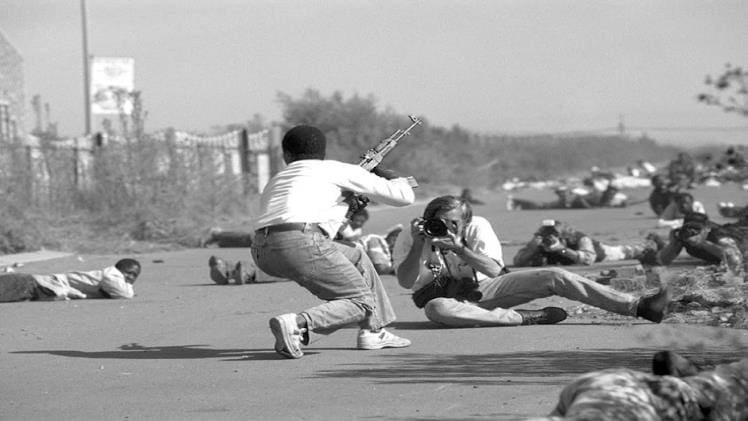
Photojournalism has been a vital part of journalism since the invention of photography in the 1800s. It has enabled the public to visualize the news and to gain a deeper understanding of the stories that are reported. However, with the rise of digital technology in the 21st century, photojournalism has been forced to change and adapt to new technology. In the past, photojournalists had to rely on film cameras and traditional methods of capturing images. Today, digital cameras and other forms of digital technology are at their disposal. This has had a major impact on how photojournalists work, as digital technology allows for greater versatility and quicker turnaround times. Furthermore, digital images can be manipulated and adjusted in ways that were not possible with film. This has opened up a world of possibilities for photojournalists, allowing them to produce more creative and captivating images. The rise of digital technology has also had an effect on the way photos are disseminated. In the past, photos were only seen in newspapers and magazines, but with the advent of the internet they can now be seen almost instantaneously. This has made it easier than ever before for photojournalists to share their work with the world. Additionally, social media has provided photojournalists with a platform to share their work with the public in real time. The digital age has also enabled photojournalists to interact with the public, allowing them to engage with their audience on a more personal level. This has helped to create a more meaningful connection between photojournalists and their viewers. The digital age has revolutionized the way photojournalism is practiced, but it has also presented some challenges. Due to the prevalence of digital technology, there is now a larger amount of competition amongst photojournalists. Additionally, the public is now accustomed to seeing images that are heavily edited and manipulated, which can make it difficult for photojournalists to stand out from the crowd. Despite these challenges, the digital age has provided photojournalists with a wider range of opportunities than ever before. Digital technology has revolutionized the way photojournalism is practiced, allowing for greater creativity and faster turnaround times. Furthermore, the digital age has enabled photojournalists to interact with their audience in ways that were not possible before. As such, photojournalism is more important than ever before, and it will continue to play an important role in journalism for years to come.

Odishadiscoms.info © Copyright 2024, All Rights Reserved