

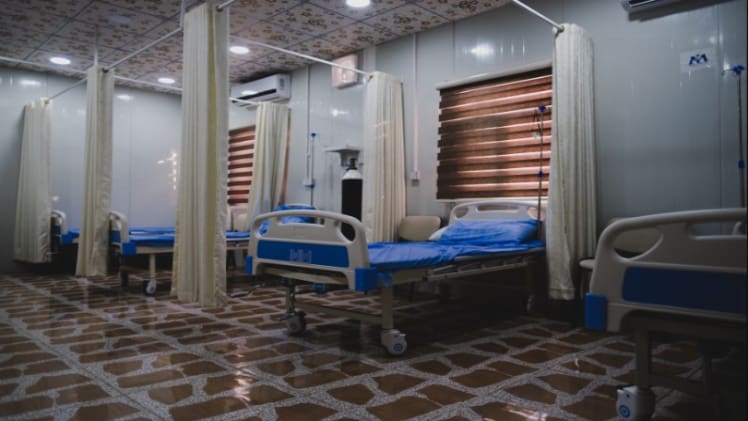
Hospitals and other healthcare facilities require cleanrooms to ensure that their patients and staff are in a safe and sterile environment. Designing a cleanroom is a complex process that requires careful planning and consideration of various factors. Whether for surgeries, laboratory testing, or pharmaceutical compounding, a cleanroom is critical to any healthcare facility.
As per the report by Expert Market Research, the global market for healthcare and medical cleanroom technology was valued at approximately USD 1.5 billion in 2021. Furthermore, it is projected to grow to USD 2.59 billion by 2027.
The healthcare industry’s increasing investment in cleanroom technology, stricter regulations by healthcare authorities, and the development of advanced hospitals and surgical centers are some of the key factors driving the growth of this market.
This article highlights the top six considerations to consider when designing a hospital facility cleanroom. Let’s get started.
1. Understanding the Needs of the Hospital Facilities
The purpose of the cleanroom and the type of work that will be conducted in the space will determine the level of cleanliness required. For example, cleanrooms used for manufacturing pharmaceuticals will require more cleanliness than those used for assembling medical devices.
The hospital’s size, layout, and patient population will also influence the design of the cleanroom. The cleanroom must be designed to ensure the safety of patients and healthcare workers while maintaining a sterile environment. The flow of people and materials in and out of the cleanroom must be carefully planned to prevent contamination.
Furthermore, the hospital’s budget and resources must also be considered. The cost of designing and constructing a cleanroom can vary widely depending on its size and complexity. Hospitals must weigh the cost of the cleanroom against the benefits it will provide in terms of patient safety and regulatory compliance.
2. Meeting Regulatory Requirements
Hospital cleanroom facilities must meet specific requirements to ensure the safety and well-being of patients, staff, and visitors. Hospital cleanrooms are typically designed to meet the standards set forth by organizations such as the International Organization for Standardization (ISO) and the US Food and Drug Administration (FDA).
ISO 14644-1 specifies the classification of air cleanliness in cleanrooms, and different ISO classes determine the facility’s required cleanliness level. Thus, ISO 5 cleanrooms are designed to maintain a maximum of 100 particles per cubic foot of air, while an ISO 7 cleanroom allows up to 10,000 particles per cubic foot of air.
In addition to ISO standards, hospital cleanrooms must comply with other regulatory requirements, such as the Good Manufacturing Practice (GMP) regulations enforced by the FDA. These regulations require that the facility maintain a clean environment to prevent contamination and ensure the safety of medical products and devices.
The Centers for Medicare & Medicaid Services (CMS) requires hospitals to meet certain cleanliness and infection control standards to participate in Medicare and Medicaid programs. These standards are outlined in the Conditions of Participation (CoPs) for hospitals and include requirements for environmental cleanliness, hand hygiene, and equipment sterilization.
3. Air Quality Control
The air quality within the cleanroom directly impacts the quality of the procedures being performed. Therefore, maintaining a sterile environment in a hospital facility is of utmost importance to prevent the spread of infections and diseases.
Here are some key factors to consider for air quality control:
- Airflow: A cleanroom requires a specific direction and velocity of airflow to maintain a controlled environment. Proper airflow helps to remove contaminants and prevents them from settling on surfaces.
- Filtration: The air within the cleanroom needs to be filtered to remove any particles or contaminants. To ensure peak performance, it is essential to regularly maintain and replace filters.
- Positive Pressure: The cleanroom should have positive pressure, which means that the air pressure within the room is higher than the surrounding area. It helps to prevent the entry of contaminants into the room.
- Humidity and Temperature Control: Maintaining a specific level of humidity and temperature is crucial for controlling airborne particles and preventing the growth of microorganisms.
- Regular Testing and Monitoring: It’s essential to regularly test and monitor the air quality within the cleanroom to ensure it meets the required standards. A qualified professional should conduct testing, including particle counts, air velocity measurements, and air exchange rates.
4. Material Selection
The materials used in the cleanroom should not only be suitable for the specific cleanliness level required. Still, they should also be durable, easy to clean, and resistant to corrosion and wear.
Common materials for cleanroom construction include stainless steel, powder-coated steel, aluminum, and polyurethane. Stainless steel is a popular choice due to its durability, corrosion resistance, and ease of cleaning. Powder-coated steel is another option that provides similar benefits as stainless steel but at a lower cost.
Polyurethane is a popular choice for cleanroom flooring because of its non-shedding properties and excellent resistance to chemicals. Additionally, it offers easy cleaning and maintenance. When selecting materials for cleanroom construction, it is crucial to consider the specific needs of the hospital and the cleanliness level required to ensure the safety of patients and staff.
5. Workflow and Traffic
When designing a cleanroom for a hospital facility, it is essential to consider the workflow and traffic within the space. It includes analyzing the movement of personnel, equipment, and supplies throughout the cleanroom.
One critical consideration is the flow of people and equipment. Cleanrooms should be designed to minimize the movement of personnel and equipment as much as possible, as each entry and exit can introduce contaminants. The cleanroom layout should be designed to allow for efficient movement of personnel and equipment, with designated clean and dirty areas marked.
Another critical aspect to consider is the location of equipment and supplies within the cleanroom. Essential equipment and supplies should be placed in easily accessible locations to minimize the movement of personnel and equipment within the space. Additionally, storage solutions, such as cabinets and shelving, should be designed to minimize contamination and allow for easy cleaning.
6. Maintenance and Cleaning
Cleanliness and hygiene are paramount in any healthcare facility to prevent the spreading of infections and diseases. Therefore, it is crucial to have a maintenance and cleaning plan for cleanrooms to ensure that they function optimally and are free from contaminants. It involves regular inspections and cleaning equipment, walls, floors, and ceilings.
The National Institutes of Health state that infection control practices aimed at reducing healthcare-associated infections (HAIs) involve using protective barriers such as face shields, eyewear, face masks, gloves, and gowns to minimize the transmission of microorganisms between healthcare workers and patients.
In addition to regular cleaning and disinfection, gowning is an essential part of maintaining the cleanliness of a hospital cleanroom. Therefore, proper gowning procedures and protocols must be established and followed by all cleanroom personnel.
It includes using specialized gowns, hairnets, face masks, gloves, and shoe covers to prevent the transfer of contaminants from outside the cleanroom into the controlled environment. In addition, the gowns must be appropriately cleaned, disinfected, and stored to ensure they maintain their integrity and effectiveness in maintaining the cleanliness of the cleanroom.
As per the guidelines provided by American Cleanroom Systems, individuals working in cleanroom environments should wear full-body protective clothing, including bunny suits that cover them from head to toe, along with goggles and face masks. These garments are specially designed using non-particulate materials approved for use in cleanrooms.
The garments may be disposable or washable, with the latter being sent back to the cleanroom laundry for cleaning. Maintaining an ISO cleanroom classification requires that personnel wear cleanroom garments at all times.
Conclusion
Designing a cleanroom in a hospital or any other healthcare facility requires careful consideration of various factors to ensure a safe and effective environment for patients and healthcare workers. From understanding the specific needs of the hospital to meeting regulatory requirements, every aspect of the design must be considered.
By following the top considerations highlighted in this article, hospital facilities can create cleanrooms that not only meet industry standards but also effectively prevent the spread of infectious diseases and improve patient outcomes.
When considering hospital facility design and construction, one integral component is the creation and implementation of cleanrooms. These rooms, which are made up of many different environmental, structural and operational components, are of paramount importance when treating those in need of specialized medical attention, as they offer a hermetically sealed space free from any cross contamination of airborne particles or other harmful agents. With that in mind, here are 6 key considerations for designing a cleanroom in a hospital facility:
1. Environmental Components: The most important first step when designing a cleanroom is ensuring the correct environmental components are established. This means creating a cleanroom environment with the correct temperature, RH (relative humidity), and airflows that meet the safety criteria necessary for the intended purpose of the cleanroom.
2.Structural Elements: Structural elements such as the layout and flooring of the room, and the placement of the walls, ceilings, and doors must also be taken into consideration. These decisions should all be based on the specific purpose and requirements of the cleanroom, as they can directly impact the effectiveness of the room.
3.Operational Components: What is perhaps most important in terms of the design is the operational components of the cleanroom. This includes the use of specific fabrics, personnel management and much more. Not only must these considerations be taken into account to ensure proper safety and infection control, but they must also be evaluated on a regular basis to ensure they meet the evolving requirements of the medical industry.
4. Quality Control: Quality control is essential in any laboratory setting, especially in a sterile environment. Regular maintenance and inspection of the cleanroom components should be done on a regular basis to ensure the proper functioning of all aspects of the air quality, temperature, RH and lighting requirements.
5. Maintenance and Cleaning: Similarly, regular maintenance and cleaning of the cleanroom are also essential. As microscopic contaminants can build up over time, proper cleaning of the cleanroom should be done to ensure any potential cross-contamination is minimized.
6. Personnel Training: Finally, proper training of personnel involved in the cleanroom must also be taken into account. It is essential that personnel understand the requirements and safety regulations of a cleanroom, and that they also understand the terminology used in the room to ensure proper communication in a sterile environment.
All of these considerations must be taken into account when designing a cleanroom in a hospital facility, as they are integral to the proper functioning and purpose of the cleanroom. Without careful consideration of these components, the efficacy of the cleanroom could potentially be compromised, which could be detrimental to those relying on the safety of the environment.