

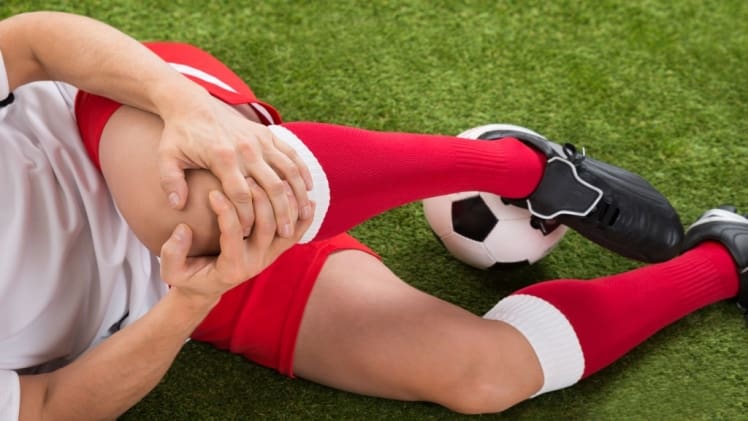
Children today are encouraged to lead active lives, with sport and physical activity positioned as crucial aspects of their health and development. However, alongside the numerous benefits of an active lifestyle, children are also at risk of overuse injuries and burnout. Before you google swimming lessons near me, it is important to strike a balance, ensuring our kids remain physically active, while also safeguarding their wellbeing and enjoyment of sport.
In the United States of America (USA), more than 46.5 million children engage in sports annually. The benefits of physical activity are well-documented, but participation in organised sport can lead to overtraining, overuse injuries, and burnout. More than 10 percent of American children aged under 14 receive treatment for sports injuries each year. Notably, half of all sports injuries in children over 10 years old are overuse injuries. Overtraining, often linked to these injuries, can cause burnout in young athletes, impacting their long-term engagement in sports.
Overuse Injuries in Children
Overuse injuries occur from repetitive submaximal loading of the musculoskeletal system without adequate rest for structural adaptation. These injuries can involve various body structures including the muscle-tendon unit, bone, bursa, neurovascular structures, and the physis. Unique overuse injuries in young athletes include apophyseal injuries and physeal stress injuries.
‘High-risk’ overuse injuries have been identified that can cause a child to take prolonged breaks from sport and potentially affect their future sporting participation. Among these injuries are:
- Specific Stress Fractures: Stress fractures are injuries caused by overuse. These happen when muscles become fatigued and transfer stress to bones, which leads to tiny cracks or fractures. They’re prevalent in high-impact sports like running or gymnastics.
- Physical Stress Injuries: The physis, or growth plate, is an area of developing tissue in children and adolescents. Physical stress injuries are overuse injuries that affect these areas, potentially impacting bone growth and development. They require early detection and careful treatment.
- Osteochondritis Dissecans: This condition is a joint disorder where bone underneath the cartilage dies due to lack of blood. It can lead to pain and instability. Young athletes in high-impact sports are particularly at risk, due to repetitive trauma.
- Certain Apophyseal Injuries: These injuries occur in the apophysis, a spot where a major tendon attaches to the bone. They’re common in children due to the stress of repetitive athletic activities. The injury may result in pain and hinder physical performance.
Athlete Burnout
Burnout is seen as part of a spectrum that includes over-reaching and overtraining. It happens due to chronic stress causing a young athlete to stop participating in a previously enjoyable activity.
Growing Need for Injury Prevention
There are numerous factors that increase a child’s risk of injury. Among these factors are immature bones, insufficient rest post-injury, poor training or conditioning, specialisation in a single sport, and year-round participation in the sport. Changes in societal norms such as shrinking backyards, perceived danger, increased technology use, and less play time contribute to this risk.
Overuse Injury and Burnout Prevention
A child’s history of injury is a risk factor for future injuries during adolescence and adulthood, and a contributor to long-term degenerative diseases like osteoarthritis. There are intrinsic and extrinsic risk factors for these injuries and addressing them is key to prevention.
Early specialisation in sports or specific positions has been linked to an increased risk of injury and burnout. Conversely, diversified sports training during early and middle adolescence can help athletes develop elite-level skills. This means that specialisation can be delayed until late adolescence, for example, guided by the support of women’s health physio Townsville.
Recommendations for Preventive Interventions
- Overuse Injuries: An intervention programme for overuse injuries should focus on preventable risk factors and aim for proper technique and basic skills. Strength and ability training should be part of the child’s routine.
- Acute Injuries: For acute injuries, intervention programmes should include strength-training sessions, full body exercises including core work, and specific muscles training.
- Monitoring Effectiveness of Intervention Programmes: The child’s goals should be considered when monitoring the effectiveness of an intervention. Physical activity, physical literacy, and physical fitness can be assessed using various tools.
Motivating Children
For children to engage in challenging tasks, they need a sense of self-efficacy. Intrinsic motivation is an essential component of strength training and can be enhanced by setting SMART goals.
SMART is an acronym used to guide goal setting. It stands for Specific, Measurable, Achievable, Relevant, and Time-bound. A SMART goal is clear and specific, can be quantifiably assessed, is realistically attainable, aligns with broader objectives, and has a defined timeline for completion. It promotes effective goal planning.
Final Thoughts
In conclusion, fostering physically active and sporty kids is undoubtedly a cornerstone of healthy growth and development. However, the increasing occurrence of overuse injuries and burnout poses a significant challenge. As guardians, educators, and sports coaches, we must acknowledge this dichotomy and strive for balance. Emphasizing diversified training, prevention programmes, and SMART goal setting can mitigate the risk of injuries and burnout. As we promote physical activity, we must ensure it’s a positive, beneficial experience that encourages lifelong commitment to fitness and health. Careful consideration of the child’s physical and psychological well-being is paramount to avoid short-term gains at the expense of their long-term health and love for sport.