

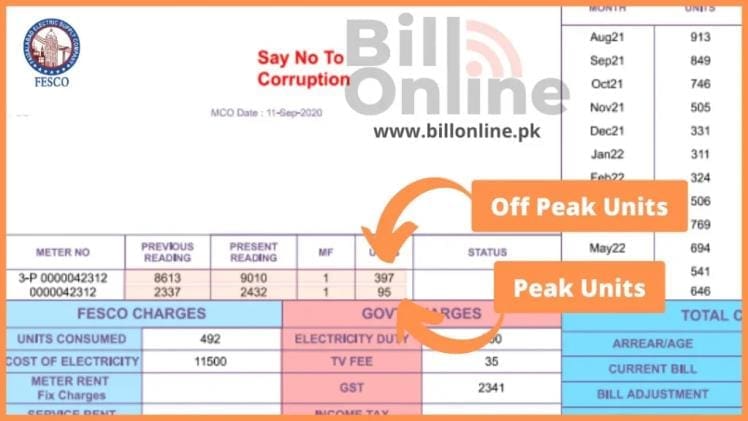
Fesco electricity bill unit rates are the cost of electricity that Fesco customers pay for their electricity usage. Understanding the pricing structure of Fesco electricity bill is important for customers to make informed decisions about their electricity usage.
Fesco Electricity Bill Unit Rates
Fesco electricity bill unit rates are based on the amount of electricity used by customers. Customers can purchase electricity at different rates, depending on the time of day, the type of customer and the amount of electricity used. The unit rate for electricity is usually expressed in kilowatt-hours (kWh) and is determined by the type of customer and the time of day.
The unit rate for Fesco electricity customers is typically lower than that of other electricity providers. This is because Fesco is able to offer discounts to customers who use more electricity or who use electricity during off-peak hours.
Understanding the Pricing Structure
Fesco electricity bill unit rates are based on the amount of electricity used. Customers are charged a higher rate for using more electricity and a lower rate for using less. The unit rate also varies depending on the type of customer and the time of day.
For example, residential customers may be charged a lower rate for using electricity during off-peak hours, while businesses may be charged a higher rate for using electricity during peak hours. Additionally, Fesco offers special discounts for customers who use more electricity or who use electricity during off-peak hours.
Fesco also offers a variety of payment options, including pre-payment and post-payment. Pre-payment customers are charged a lower rate than post-payment customers, and may be eligible for additional discounts.
Fesco electricity bill unit rates can help customers save money on their electricity bills. By understanding the pricing structure of Fesco electricity bill, customers can make informed decisions about their electricity usage. Additionally, customers may be eligible for discounts and other payment options, depending on their usage and type of customer.