

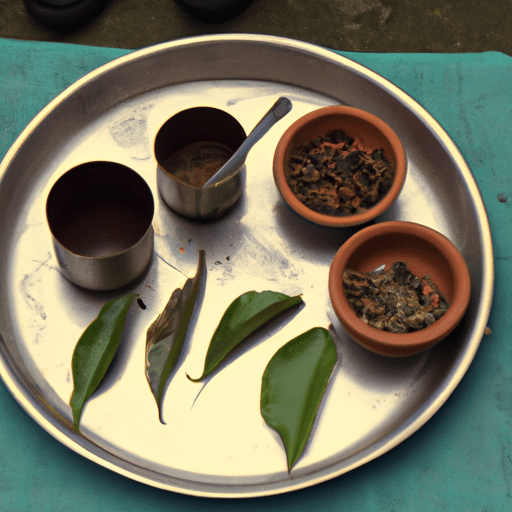
Assam is home to one of the oldest and finest tea producing regions in the world. This region has been producing tea for centuries, and its production has continued to increase over the years. Tea is an important part of Assam’s culture, history, and economy. This article will explore the history of tea production in Assam and its impact on the region and its people.
Assam’s Tea History
Tea production in Assam dates back to the 1800s, when the British first introduced tea plantations to the region. At first, the tea grown in Assam was primarily used in the production of black tea. However, over time, Assam tea has become known for its unique flavor and aroma, and is now used to make a variety of teas, including oolong, green, and white.
In the early 1900s, tea production in Assam began to expand rapidly. This was due in part to the introduction of new and improved tea production technology, as well as the increased demand for tea in the region. By the 1940s, the tea industry in Assam had become a major source of income for the region.
Brewing a Legacy
Today, tea production in Assam is still a major industry, accounting for more than half of India’s total tea production. Assam is known for producing some of the finest teas in the world, and is home to some of the oldest tea gardens in the world. The tea produced in Assam is also renowned for its unique flavor and aroma, which is why it is so popular with tea drinkers around the world.
The tea industry in Assam has also had a significant impact on the region’s economy. Tea production provides employment for thousands of people in Assam, and the industry has helped to reduce poverty in the region. In addition, the tea industry has also helped to promote the region’s culture and history.
Assam’s tea industry has a long and rich history. It has been producing tea for centuries, and its production has only increased over time. It is now one of the most important industries in the region, providing employment and helping to reduce poverty. Tea production in Assam has also helped to promote the region’s culture and history, making it an important part of the region’s identity.
The history of tea in Assam, India can be traced back to the late 1820s. It was in this period, when the British were expanding their tea plantations and Assam was found to be an ideal location. The region is blessed with the perfect climate and soil conditions, ideal for the cultivation of tea.
Around 1823, the first tea plants were introduced in Assam by British civil servant, Robert Bruce. Before his arrival, tea was commercially unknown in the region and the natives had been drinking a beverage made from the leaf of a different plant entirely. Bruce encountered this beverage and determined that the locals would be more amenable to a commercial variety of tea.
He quickly introduced Chinese tea plants to the region. The first successful tea garden was established in 1833 by the Assam Company; this was followed by other European companies establishing plantations in the early 1840s. By the 1850s, tea plantations had spread all over Assam and the country had become a major producer and exporter.
During the late 1800s and early 1900s, the tea industry was booming in Assam. By the 1920s, the region accounted for almost 50% of the total production and export of tea in India. Assam tea also gained international recognition in the 1920s, and its popularity began to spread to other countries.
Today, Assam is one of the largest tea producing regions in the world. The region has over 85 tea gardens, producing some of the finest tea in the world. The tea produced here is known for its strong flavor, deep color, and full-bodied character with a distinct malty taste.
Overall, Assam has a rich and vibrant history of tea cultivation, rooted deep in the traditions of the Assamese people. This is why it is considered one of the most luxurious and sought-after teas in the world.