

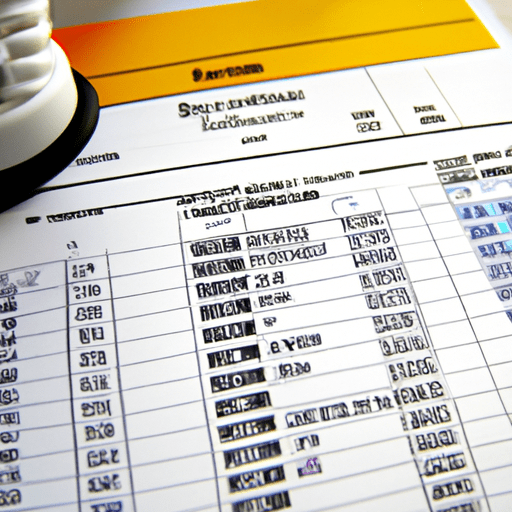
Electricity bills can be confusing and complicated to understand. Knowing exactly how your electricity bill is calculated can help you to better manage and reduce your energy consumption. This article will explain the components that go into calculating your electricity bill, so you know exactly what you are paying for.
Understanding Electricity Bill Calculation
Your electricity bill consists of several different components. These components include the energy charges, taxes, fees, and other charges. Each of these components plays an important role in the calculation of your electricity bill.
Energy charges are the charges that are based on the amount of energy you use. This charge is usually calculated in kilowatt-hours (kWh). The energy charge is determined by the rate your utility company charges for electricity.
Taxes and fees are also included in your electricity bill. These taxes and fees vary depending on the state and local government, and can include sales tax, franchise fees, and other taxes.
Other charges can also be included in your electricity bill. These charges can include meter-reading fees, connection fees, and deposits.
Components of an Electricity Bill
Your electricity bill is made up of several components, including energy charges, taxes, fees, and other charges.
Energy charges are the charges that are based on the amount of energy you use. This charge is usually calculated in kilowatt-hours (kWh). The energy charge is determined by the rate your utility company charges for electricity.
Taxes and fees are also included in your electricity bill. These taxes and fees vary depending on the state and local government, and can include sales tax, franchise fees, and other taxes.
Other charges can also be included in your electricity bill. These charges can include meter-reading fees, connection fees, and deposits.
Understanding how your electricity bill is calculated can help you to better manage your energy consumption. Knowing the components of your bill can help you to better understand what you are paying for and how you can reduce your electricity costs.
In an increasingly connected and powered world, understanding the way electricity bills are calculated can help consumers better manage their energy use and costs. This article explains how electricity costs are assessed and how to better manage them.
In many places, electricity cost is based on kilowatt hour (kWh). A kWh is a measure of electricity usage over time, not the amount of electricity being used at the time of measurement. To calculate the cost of electricity, the utility must first measure the amount of electricity used over a period of time, and then calculate the cost based on the ‘tariff’ for the area.
Energy tariffs typically apply a base rate plus a per unit rate for each kWh used. In most cases, the base rate is either a flat rate or a time-based rate, that is determined by the time of day that the electricity is used. This is important to consider, as nighttime electricity use can often be cheaper than use during the day.
The per unit rate is usually determined by the length of the consumer’s contract and the type of energy they use. Premium prices are usually applied to renewable energy, while cheaper or lower-grade energy will often be less expensive.
In some cases, energy taxes, delivery charges and fees may also be added to the final electricity bill. Additionally, certain energy-saving measures may also be applied, such as credits for customers that use energy-saving appliances, or discounts for switching to a green energy provider.
By understanding the way electricity bills are calculated and taking advantage of existing energy-saving measures, consumers can better manage their energy usage and costs. It is also worth taking time to compare energy tariffs and prices between providers and to shop around for the most cost-effective tariff for their particular circumstances. Doing this can help to reduce the cost of electricity bills and ensure that consumers are paying the fairest price for their energy.