

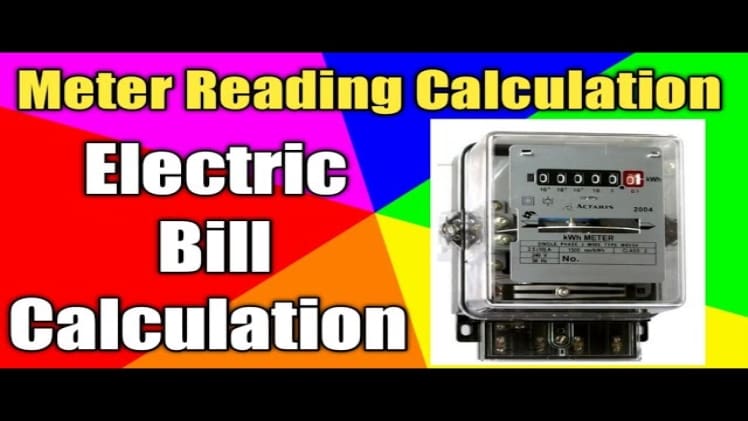
Electricity bills in India can be calculated by reading the meter and understanding the billing system. This article describes how to read the meter and calculate the electricity bill.
Determining Meter Reading
Reading the electricity meter is the first step in calculating the electricity bill. The meter is usually located in a box outside the house or premises, and the meter reading is usually printed on the box. The meter reading is usually in the form of a number, such as 8,000 or 8.5. This number is the total amount of electricity used since the last reading.
To calculate the current electricity bill, the meter reading must be noted. It is important to note that the meter reading is usually in kilowatt-hours (kWh). To convert the number to kWh, the number is multiplied by 1000. For example, if the meter reading is 8, it is 8,000 kWh.
Calculating Electricity Bill
Once the meter reading is determined, calculating the electricity bill is relatively simple. The electricity bill is calculated by multiplying the meter reading by the rate per kWh. The rate per kWh is determined by the electricity company and is typically included in the electricity bill.
For example, if the meter reading is 8,000 kWh and the rate per kWh is INR 5, the total electricity bill will be 8,000 x 5 = 40,000 INR. It is important to note that the electricity bill may include taxes and other fees, so the final amount may be higher than the amount calculated from the meter reading.
Calculating the electricity bill from the meter reading is a simple process. By understanding the meter reading and the rate per kWh, electricity bills can be calculated accurately. It is important to note that the electricity bill may include taxes and other fees, so the final amount may be higher than the amount calculated from the meter reading.