

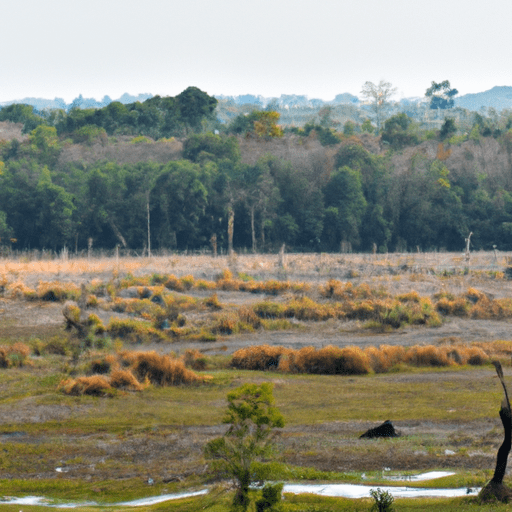
Kaziranga National Park is the largest wildlife sanctuary in the state of Assam, India. It is a UNESCO World Heritage Site and home to some of the most endangered species in the world. The park is situated on the banks of the Brahmaputra River and is spread over an area of 430 square kilometers. It is known for its biodiversity, with a wide variety of flora and fauna.
Assam’s Largest Wildlife Sanctuary
Kaziranga National Park is the largest wildlife sanctuary in Assam. It is located in the Golaghat and Nagaon districts of Assam and is spread over an area of 430 square kilometers. The park is known for its diverse wildlife, including the endangered Bengal Tiger, Asiatic One-horned Rhinoceros, Elephant, Wild Buffalo, Swamp Deer, Hog Deer, and Indian Gaur. It is also home to numerous species of birds, reptiles, and amphibians.
The park is a UNESCO World Heritage Site and is home to more than 1,100 species of plants. It is also known for its grasslands, marshes, and wetlands, which are important habitats for the wildlife. The park is surrounded by the Brahmaputra River on the north, Karbi Anglong hills on the south, and the Himalayan foothills on the west.
Home to Unique Flora and Fauna
Kaziranga National Park is home to a wide variety of flora and fauna. The park is divided into four main zones – Central, Western, Eastern, and Northern – each with its own unique ecosystem. The Central zone is home to the largest population of the endangered Bengal Tiger, Asiatic One-horned Rhinoceros, and other large mammals. The Western zone is known for its wetlands, marshes, and grasslands, which are important habitats for the wildlife.
The Eastern zone is home to a variety of birds, reptiles, and amphibians, including the endangered Bengal Florican and Greater Adjutant Stork. The Northern zone is the most densely populated zone of the park and is home to a variety of species of mammals, birds, and reptiles.
Kaziranga National Park is a haven for wildlife and is an important part of the conservation of endangered species. The park is also a popular tourist destination and attracts thousands of visitors each year.
Kaziranga National Park is a unique and important wildlife sanctuary and is home to a wide variety of flora and fauna. It is a UNESCO World Heritage Site
The Kaziranga National Park in Assam, India, is the largest wildlife sanctuary in the world and a UNESCO World Heritage Site. It is home to more than two thousand one-hundred species of flora and fauna, including four of the world’s most endangered species—the Indian one-horned rhinoceros, Asiatic wild buffalo, Swamp deer, and the Bengal tiger.
Established in 1905 as a reserve forest, Kaziranga National Park spreads over 860 square kilometers (840 sq. mi) in two distinct divisions straddling the East and West of the Brahmaputra River. The park is known for its lush grassland ecosystems and is situated in the foothills of the Eastern Himalayas.
Kaziranga is primarily renowned for its rare and endangered species of wildlife. Besides the four endangered species, it is also home to some of the endangered species such as leopards, barking deer, sloth bears, hog deer, porcupines, and many more. Furthermore, the park is also home to more than four hundred species of birds, along with rare species of reptiles and amphibians.
In addition to providing protection to wildlife, Kaziranga has dedicated itself to conservation and preservation of the environment. The park has adopted a variety of techniques to protect the natural habitat. These include, but are not limited to, the curtailment of poaching activities, an increase in eco-tourism, and the implementation of several environment friendly policies.
Given its expansive area and abundant wildlife, Kaziranga is also immensely popular for its breathtaking natural beauty. The park offers visitors a wide range of activities and attractions, including wildlife safaris, outings with park rangers and sightseeing of the majestic landscape.
Kaziranga National Park is the largest wildlife sanctuary, and it is a major tourist destination for all wildlife enthusiast and nature lover from all over the world. The park is not just dedicated to conservation and preservation, but also serves as a beautiful, educational, and adventurous destination.