

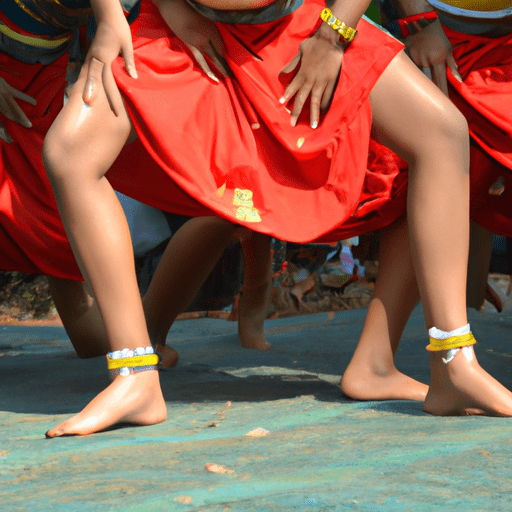
Assam, situated in the North-Eastern part of India, is a state known for its vibrant culture, colourful festivals and its traditional folk dances. The folk dances of Assam are a unique form of art which has been passed down through generations. The traditional folk dances of Assam are a reflection of the culture and heritage of the state.
Assam’s Traditional Folk Dance
Assam’s traditional folk dance is an important part of the cultural heritage of the state. The folk dances of Assam are known for their intricate footwork and energetic movements. The different folk dances of Assam include Bihu, Jhumur, Jumur, Deodhani, Bodo and many more. Each of these folk dances has its own unique style and steps. These folk dances are usually performed during festivals and special occasions.
Exploring the Dance of Assam
Bihu is the most popular folk dance of Assam. It is a harvest dance which is performed during the Bihu festival. The dance is performed in a circle and is accompanied by drums and other musical instruments. The dancers wear traditional Assamese attire and perform the dance with great enthusiasm and energy.
Jhumur is another popular folk dance of Assam. It is a dance performed by women in groups and accompanied by drums and other musical instruments. The dance is very energetic and the women wear vibrant and colourful dresses.
Deodhani is a dance form which is performed by both men and women. The dancers wear traditional Assamese attire and perform the dance with great energy. The dance is accompanied by traditional Assamese music.
Bodo is a folk dance which is performed in the Bodo-Kachari community of Assam. The dance is performed in a group and is accompanied by drums and other musical instruments. The dancers wear traditional Bodo attire and perform the dance with great energy.
The traditional folk dances of Assam are a reflection of the culture and heritage of the state. These dances are a source of entertainment and joy for the people of Assam. The folk dances of Assam are an important part of the cultural heritage of the state and should be preserved for generations to come.
Assam is known for its rich cultural and artistic heritage, and this is evident in its traditional folk dances. These dances often serve a variety of purposes including celebrations, entertainment, and social gathering. Some of the famous folk dances of Assam include Bihu, Goalpara, Jhumoor and Tokari.
Bihu is the most popular and widely celebrated dance form in Assam. It is a form of dance-drama depicting the life of the people of the region. It is performed during the Bihu Festival, which is celebrated three times a year. The dance involves a combination of graceful moves and vigorous kicking, along with rhythmic movements and a live drum beat. Costume and attire for this traditional folk dance is typically simple, consisting of traditional Assamese attire for both men and women.
Goalpara is the second most popular folk dance of Assam. It is believed to originate from the royal courts of the former Ahom kings. This dance is usually performed in two circles and requires two pairs of dancers. Each dancer’s costume is greatly decorative and involves intricate designing.
Jhumoor is a traditional folk dance of Assam which is also referred to as ‘Jhumur’ or ‘Jhum’. This dance, accompanied by various instruments like Khorean, Pata, Jolpai and kanai, is typically performed at auspicious occasions such as wedding ceremonies, festivals, and other traditional events. It involves energetic dancing with lyrical and rhythmic variations. The dance costumes, worn by dancers performing Jhumoor, have bright and vibrant colours and designs.
Lastly, Tokari is another popular folk dance of Assam, which is also referred to as Tokari Geet. This dance involves lively steps and an interesting combination of assortments of singing, clapping and dancing. Traditionally, this dance was performed as an expression of joy and celebration. However, it is now often performed as a part of theatrical presentations.
The traditional folk dances of Assam are integral to the cultural identity of the people living in the region. These dances, with their colourful costumes and lively movements, truly depict the rich cultural heritage of the people of Assam.