

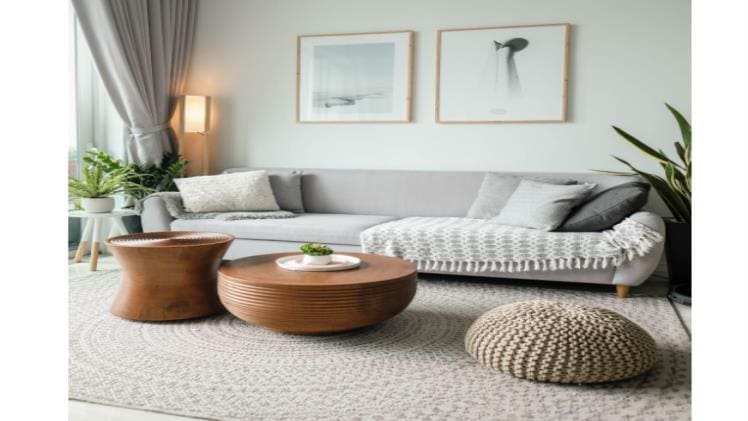
In an era where urban living is becoming the norm and space is increasingly at a premium, the art of small-space design has taken center stage. The challenge lies in creating a living environment that appears aesthetically pleasing and maximizes functionality within the constraints of limited square footage.
This art requires a careful balance of creativity, organization, and a deep understanding of spatial dynamics. Whether living in a compact apartment, a tiny house, or simply having a small kitchen design, these seven expert tips will help you master the art of small space design, transforming even the coziest of interiors into efficient, stylish, and comfortable sanctuaries.
7 Tips for Maximizing Functionality for Your Small Space
By following the tips below, you can successfully transform your small living space into a cozy and functional sanctuary that you and your family can enjoy. Let’s get started;
1. Embrace Multifunctional Furniture
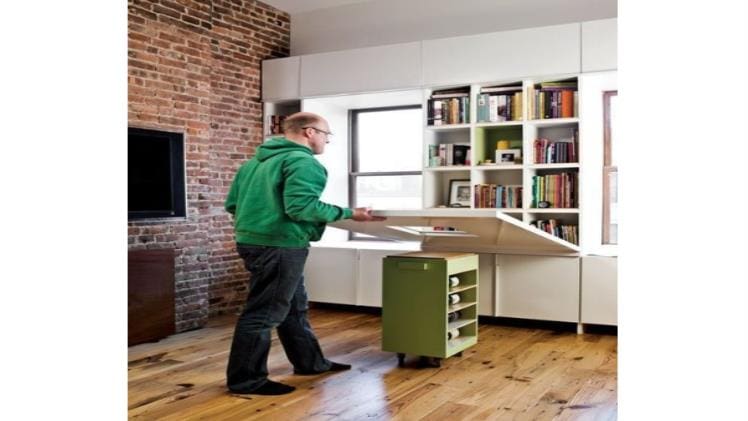
Selecting furniture with various uses is one of the most successful small-space design techniques. Excellent examples of versatile furniture are a sofa that can be made into a bed, a coffee table with storage, and a dining table that can be folded down when unused.
These items offer versatility and convenience while saving important floor space. Prioritize products that are easily adaptable to various demands when choosing furniture to maximize your space.
2. Prioritize Vertical Storage
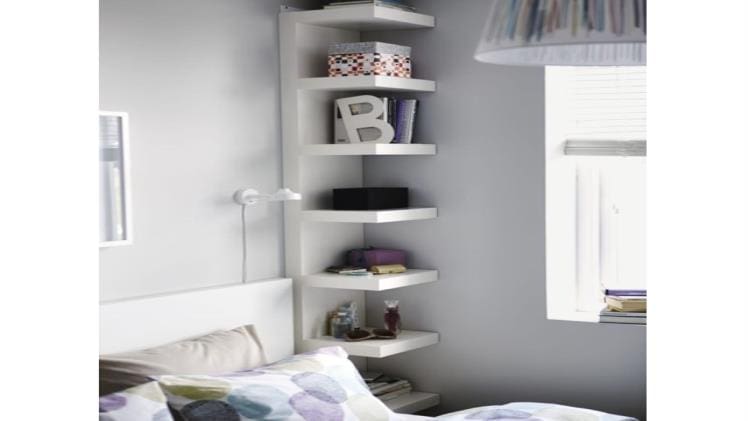
When there is little room on the floor, thinking vertically is crucial. Create storage solutions that reduce clutter by utilizing available wall space. The best solutions for optimizing vertical storage include floating shelves, wall-mounted cabinets, and hanging racks.
By utilizing vertical space, you open up the floor for mobility and draw the attention upward, giving the impression that the area is larger. Make sure that everything is properly arranged, and think about utilizing baskets, proper plumbing accessories or containers to keep things orderly while enhancing the decor.
3. Optimize Natural Light
The perception of space can be substantially impacted by ample natural light. Use sheer or light-colored drapes to let sunshine through, which will instantly brighten the space. As they can encroach on the space, avoid using bulky furniture or decorations that block windows.
Mirrors on walls next to windows are a creative design element that reflect light and provide the appearance of a larger space. Mirrors give the impression of more space and elevate your interior design.
4. Create Zones within the Space
A clever method to maximize functionality is to divide a limited space into functional zones. You may efficiently manage the space without having it feel cluttered by designating specific sections for certain tasks. To define zones, use furnishings, rugs, or even different flooring types.
For instance, a distinct seating arrangement in the living room and an area rug placed beneath the dining table can visually divide a small living room from a dining space. This separation not only makes the best use of the available space but also gives each region a sense of purpose.
5. Keep a Cohesive Color Scheme
The scale of a room can be substantially altered by a carefully chosen color scheme. A consistent color scheme of light and neutral hues is recommended since they reflect light and foster a spacious feeling. While adding colorful accents can be stimulating, use them wisely to prevent the room from becoming too colorful. Complementary colors can strategically be used to amplify and harmonize a space, giving it a bigger, cozier effect.
6. Visual Continuity
Visual lines that are uninterrupted can make a small room appear larger. To create an airy impression, choose furniture with legs over solid bases. Legs let light through.
To maintain a seamless transition between the walls and windows, choose drapes that are the same color as the walls. The sense of continuity is further improved by using flooring materials that are consistent across the area.
7. Declutter Regularly
Clutter easily builds up in small areas and can give the appearance of chaos in even the best-designed environments. For a sense of order to persist and to make the most of the space available, regular decluttering is essential.
Be brutal when examining your possessions; if something doesn’t have sentimental or functional worth, you might want to consider letting it go. Utilize clever storage options like storage ottomans, under-bed drawers, and hanging organizers to keep daily necessities concealed and accessible. You may create a space that seems pleasantly open and welcoming by making decluttering a habit.
Conclusion
The art of small-space design is a skillful blend of creativity, functionality, and thoughtful organization. The above-mentioned techniques not only enhance the aesthetic appeal of your living space but also ensure that it remains a comfortable, practical, and welcoming place to call home.