

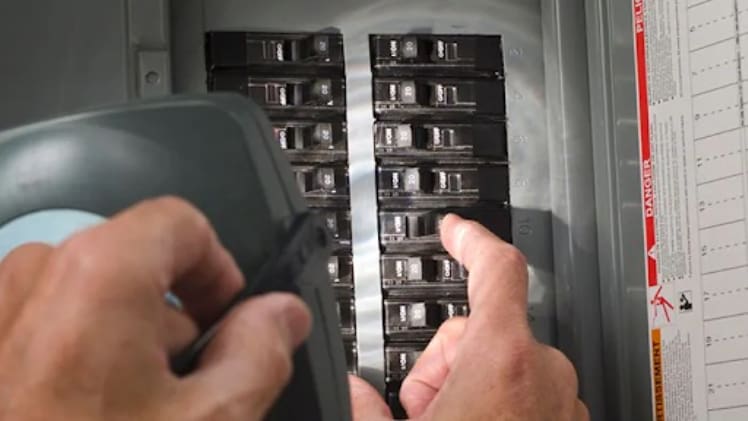
Power outages are an occasional but inevitable occurrence, affecting homes and businesses alike. When the lights go out, questions arise about the best course of action to ensure safety and prevent potential damage to electrical systems. Capricorn Electric, a reputable authority in the electrical industry, is here to shed light on the question: “Should you turn off breakers during a power outage?” This article provides valuable insights, to help residents of Pennsylvania make informed decisions and navigate power outages effectively.
Understanding the Basics: Breakers and Power Outages
Before delving into the question at hand, it’s essential to understand the role of circuit breakers and how they interact with power outages. Circuit breakers are designed to protect your electrical system from overloads and short circuits. They automatically “trip” or shut off when there’s an excess of current flowing through a circuit. This safety mechanism prevents electrical fires and damage to appliances.
A power outage, on the other hand, occurs when the supply of electricity to your home or business is disrupted. This can happen due to various reasons, including severe weather, equipment failures, or maintenance work.
Should You Turn Off Breakers During a Power Outage?
The decision to turn off breakers during a power outage depends on the circumstances and your specific situation. Here are some scenarios to consider:
Safety Precautions: Turning off the main circuit breaker during a power outage can provide an added layer of safety. It prevents unexpected power surges when the electricity is restored, which could potentially damage appliances or overload circuits.
Vacation or Extended Absence: If you’re leaving your home for an extended period, it’s a good idea to turn off the main circuit breaker. This reduces the risk of electrical fires or equipment damage in your absence.
Safeguarding Electronics: High-end electronics, computers, and other sensitive devices are susceptible to power surges. Turning off the breakers that supply power to these devices can help protect them during an outage.
Preserving Food: If you experience a prolonged power outage and have perishable food in your refrigerator or freezer, turning off the circuit breaker can help prevent the appliances from cycling on and off unnecessarily when power is restored.
Steps to Safely Turn Off Breakers During a Power Outage
If you decide to turn off breakers during a power outage, follow these steps to do so safely:
Locate the Main Breaker: Identify the main circuit breaker panel in your home. It’s usually located near the electrical meter or in a utility room.
Switch Off the Main Breaker: Flip the main circuit breaker to the “off” position. This will disconnect power to the entire house.
Unplug Sensitive Devices: Before turning off the main breaker, unplug sensitive electronic devices and appliances to prevent power surges when the electricity is restored.
Leave a Light On: For safety reasons, leave one light switched on. This will serve as an indicator when power is restored.
When Not to Turn Off Breakers
While turning off breakers can provide certain benefits, there are situations when it’s advisable to leave them on:
Short-Term Outages: If the power outage is expected to be brief, it’s generally unnecessary to turn off breakers.
Medical Equipment: If anyone in your household relies on medical equipment that requires continuous power, such as oxygen machines, turning off the breakers may not be a viable option.
Security Systems: If you have a security system that requires power to function properly, leaving the breakers on is important to maintain the security of your property.
Preparing for Power Outages
To be well-prepared for power outages, consider these proactive measures:
Emergency Kit: Keep a well-stocked emergency kit with essentials such as flashlights, batteries, non-perishable food, and water.
Battery Backup Systems: Invest in battery backup systems for important electronic devices and appliances to ensure they remain operational during outages.
Generator Installation: Consider installing a backup generator to provide power during extended outages.
Conclusion
In the end, whether you should turn off breakers during a power outage depends on your specific circumstances and priorities. Capricorn Electric recommends assessing the situation, prioritizing safety, and making informed decisions based on the potential risks and benefits. While turning off breakers can be beneficial in certain scenarios, it’s important to understand the implications and take necessary precautions. By being prepared and considering these factors, Pennsylvania residents can navigate power outages with confidence and ensure the safety of their homes and families.