

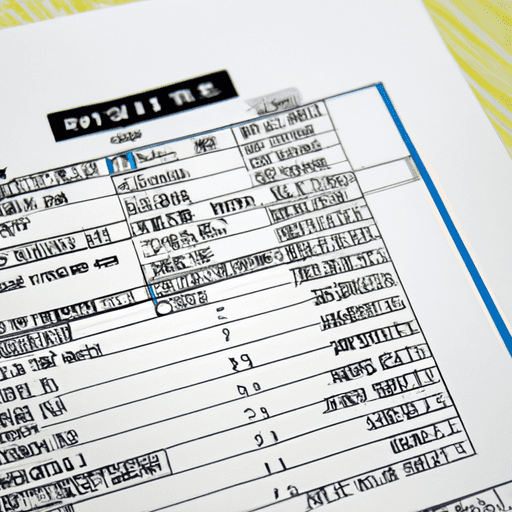
MDI stands for Meter Distribution Indicator and it is a number used to identify the type of meter that is associated with an electricity bill. This number is important to understand when it comes to understanding how an electricity bill is calculated and the various components that make up the bill. By understanding MDI, you can better understand what you are being charged for and how your energy consumption is being tracked.
What is MDI?
MDI is a number that is associated with an electricity meter. This number is used to identify the type of meter that is associated with the electricity bill. Depending on the type of meter, the MDI number can vary. Generally, the number is a two-digit code with the first digit indicating the type of meter and the second digit indicating the number of digits in the meter reading.
For example, a meter with an MDI of “01” would have a single-digit meter reading, while a meter with an MDI of “02” would have a two-digit meter reading. The MDI number is important because it is used to calculate the electricity bill based on the type of meter and the meter reading.
Understanding MDI on an Electricity Bill
When it comes to understanding an electricity bill, the MDI number is important. This number is used to identify the type of meter being used to bill the customer, as well as the meter reading. The MDI number is also used to calculate the cost of the electricity, as the type and number of digits in the meter reading will affect how the electricity is priced.
For example, a meter with an MDI of “01” would have a single-digit meter reading, which would be priced differently than a meter with an MDI of “02”, which would have a two-digit meter reading. The MDI number is also used to identify any additional charges that may be associated with the electricity bill, such as taxes or fees.
Overall, the MDI number is an important part of understanding an electricity bill. By understanding the MDI number and the type of meter associated with the bill, customers can better understand what they are being charged for and how their energy consumption is being tracked.
In conclusion, MDI stands for Meter Distribution Indicator and is a two-digit code that is used to identify the type of meter associated with an electricity bill. This number is important to understand when it comes to understanding how an electricity bill is calculated and the various components that make up
When it comes to electricity bills, you may come across the term ‘MDI’. MDI is the acronym for Maximum Demand Indicator, which is an important component of your electricity bill. The MDI is the highest single peak of electricity consumption in a particular month. This figure is expressed in Kilowatts (kW).
Your electricity consumption can fluctuate depending on how much energy you use throughout the month. For example, if you use more energy during the day, or if you use appliances such as air conditioners or refrigerators, your electricity consumption may increase and your MDI figure will reflect this.
Your MDI figure is important in helping to determine the rate you will pay for your electricity bill. Generally speaking, the higher the MDI figure, the more you will have to pay for your electricity. This is because a higher MDI figure indicates that you are using more energy than the standard electricity rate.
Some utilities will also offer incentives and discounts if your MDI figure is below a certain level. These incentives may include a lower electricity rate or other benefits. Therefore, it is important to monitor your MDI figure to ensure that you are not paying more than necessary for your electricity.
By understanding what MDI is in your electricity bill, you can better monitor and control your electricity consumption to make sure you are paying a fair price for your electricity. This can ultimately save you money and help to reduce your energy consumption.